An Evening with Zimmermann

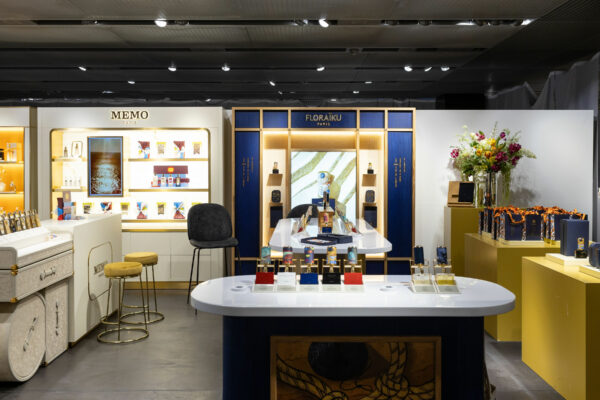
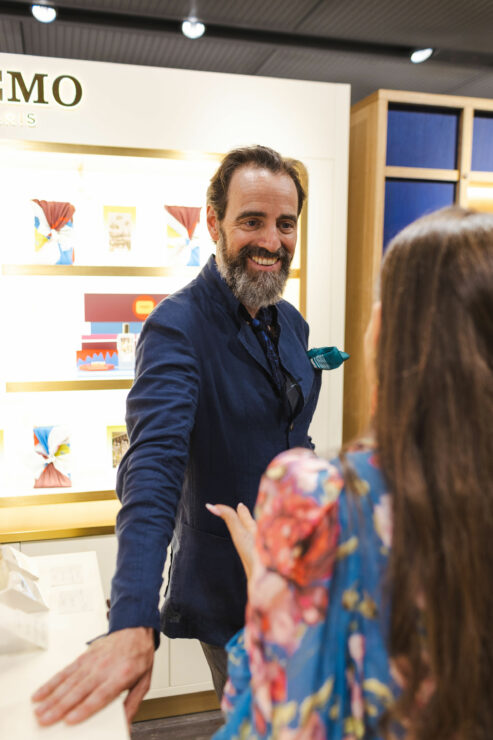
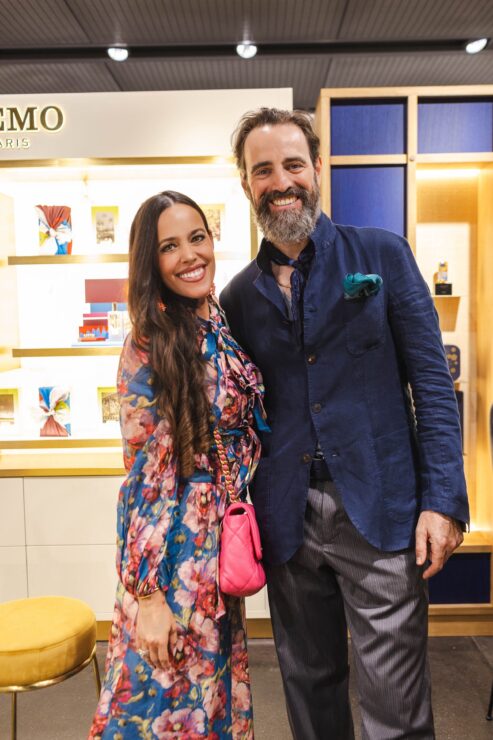
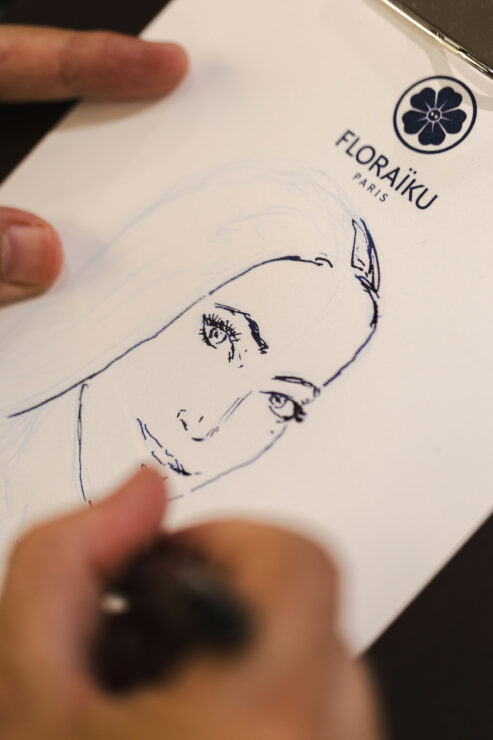
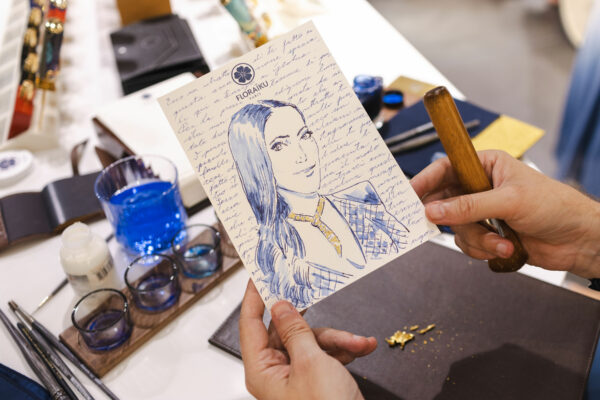
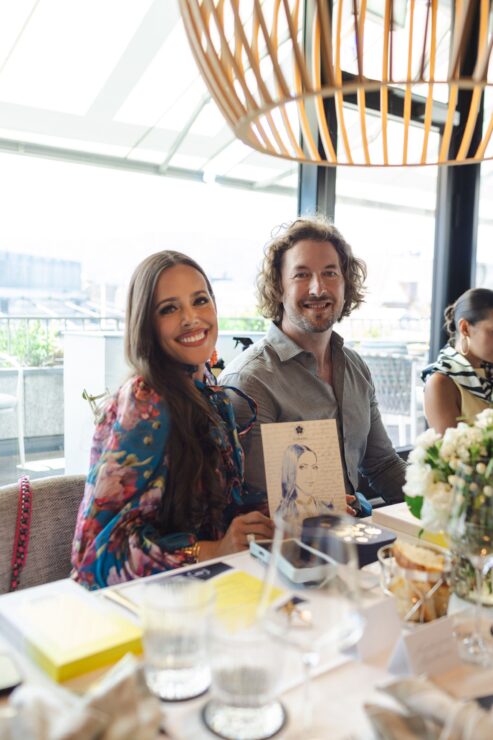
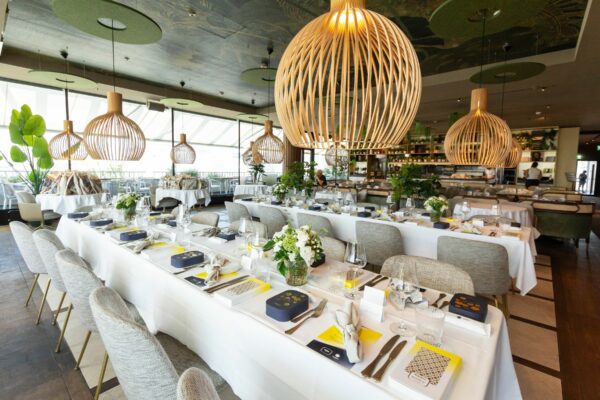
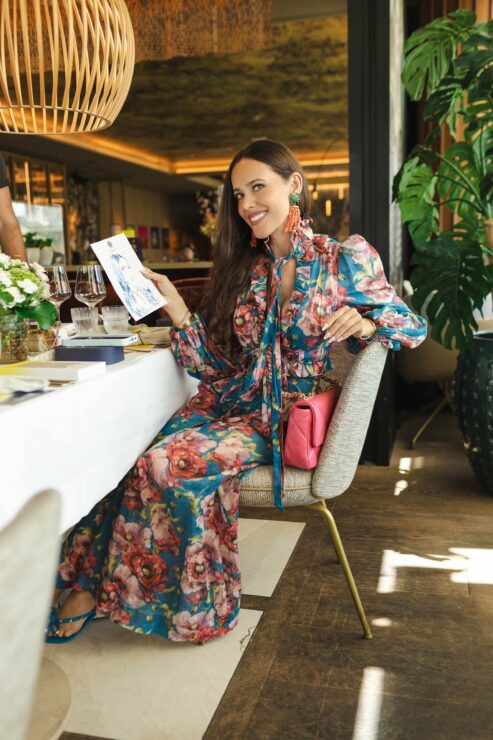
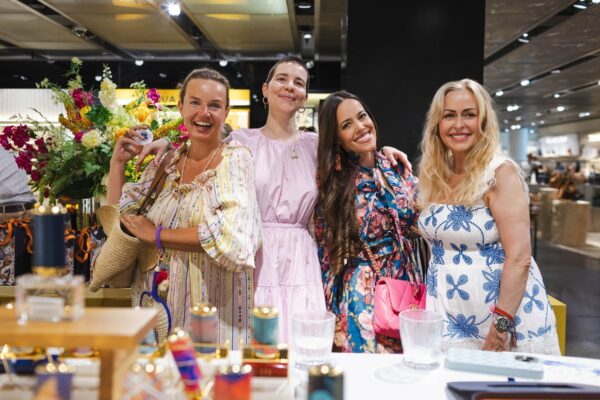
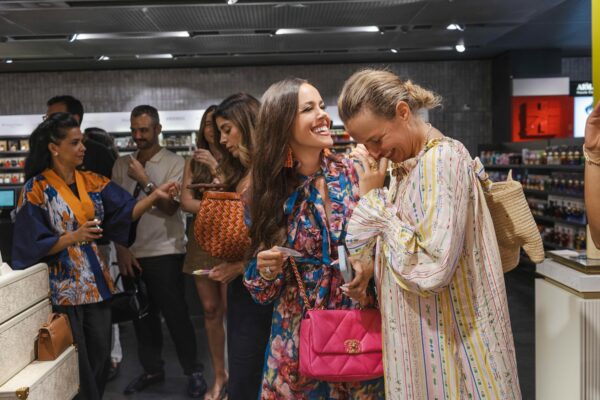
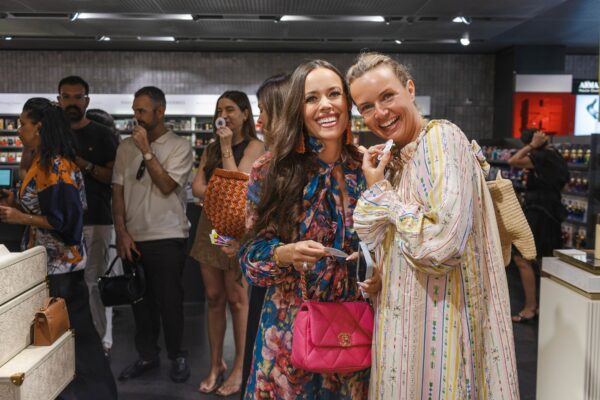
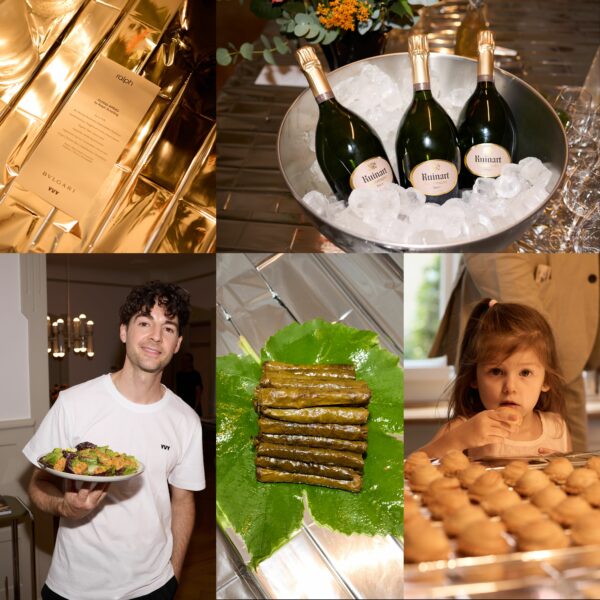
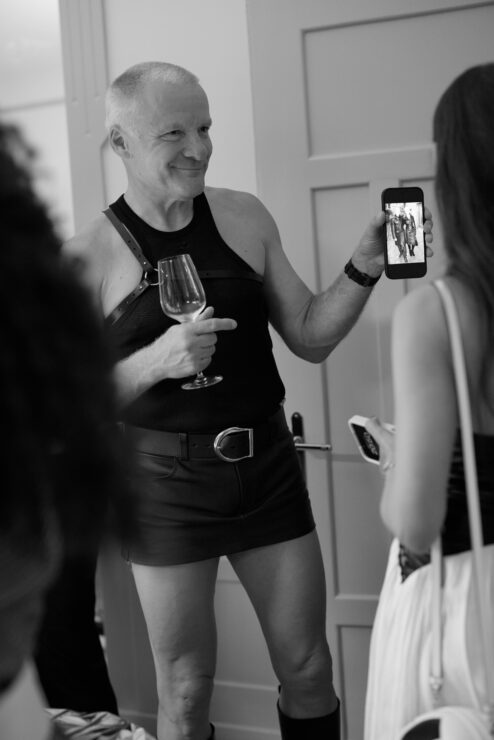
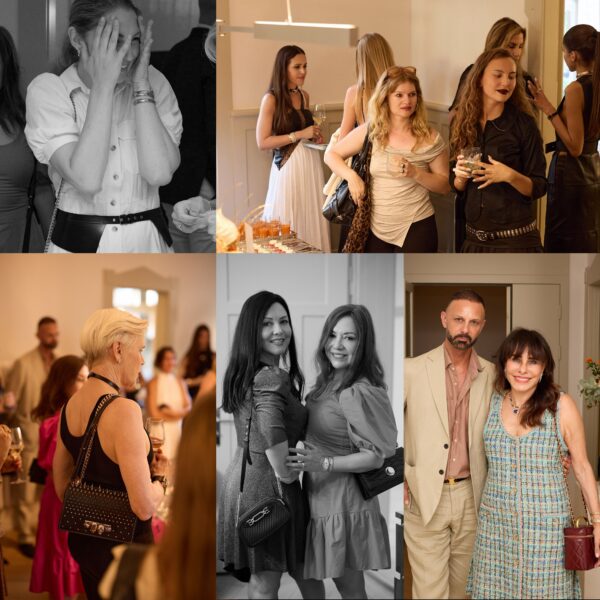
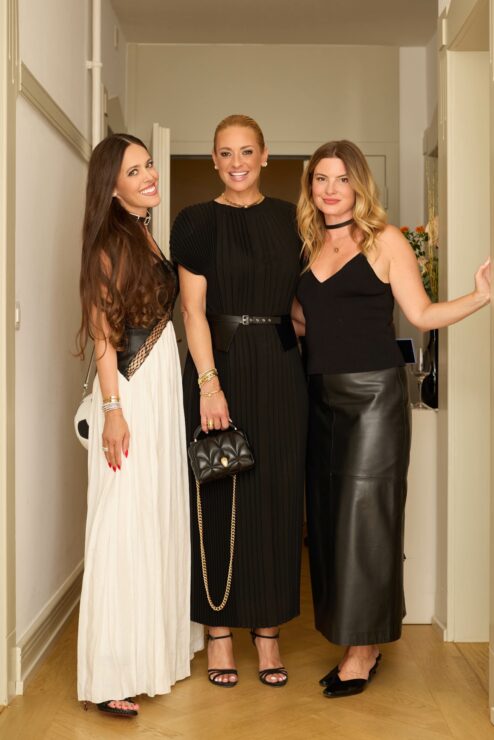
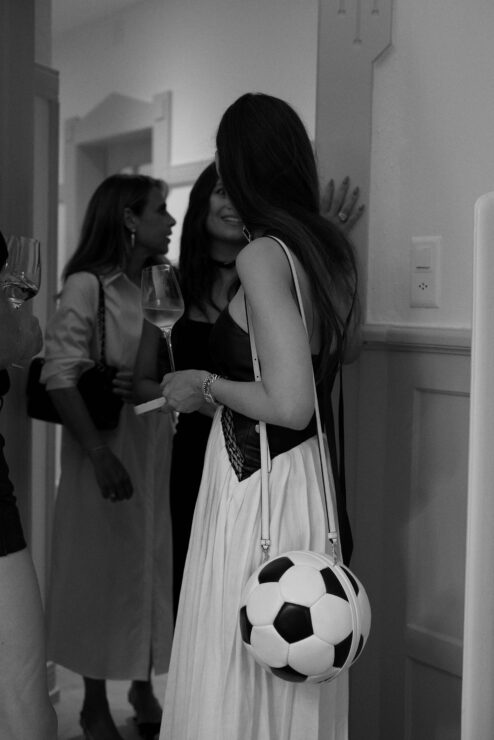
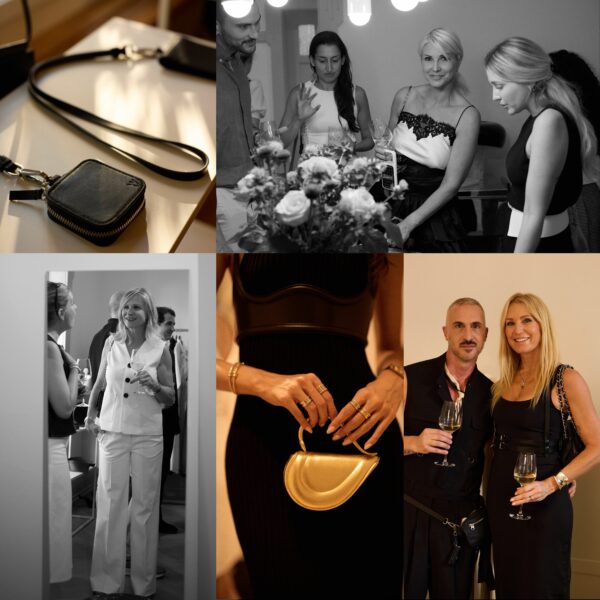
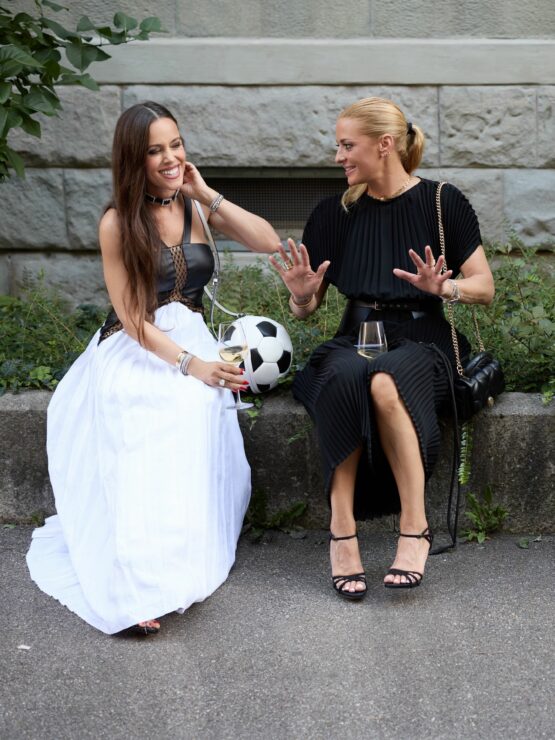
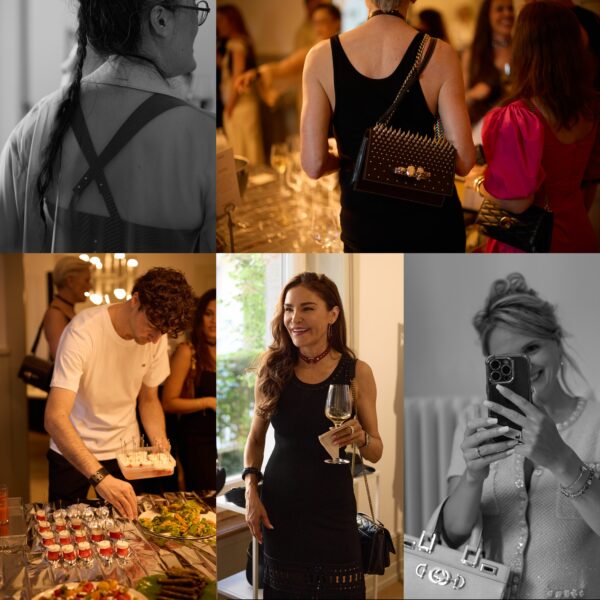
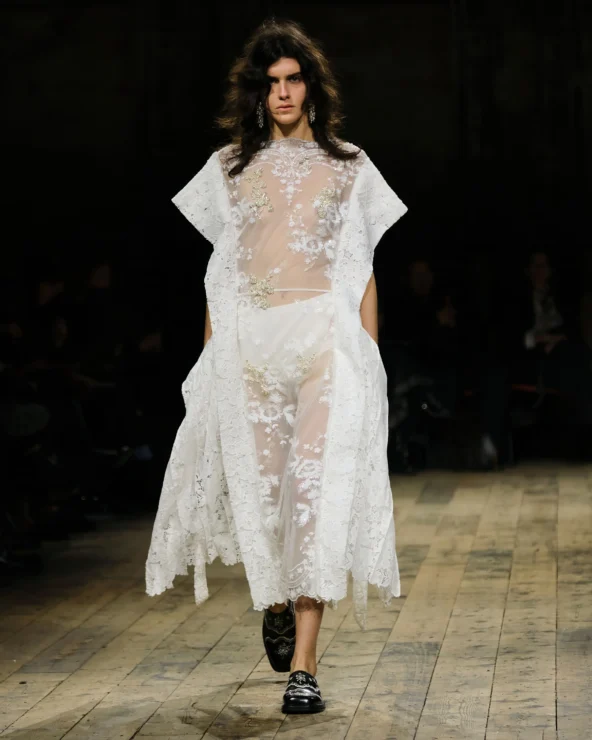
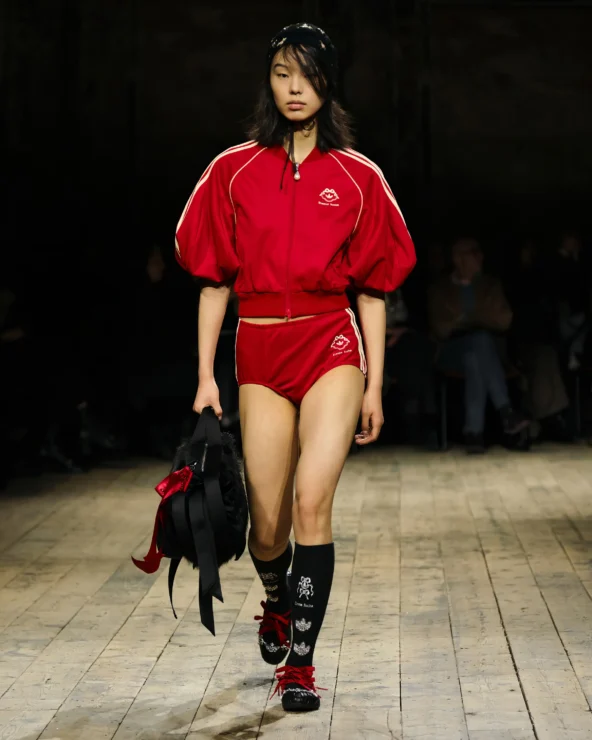
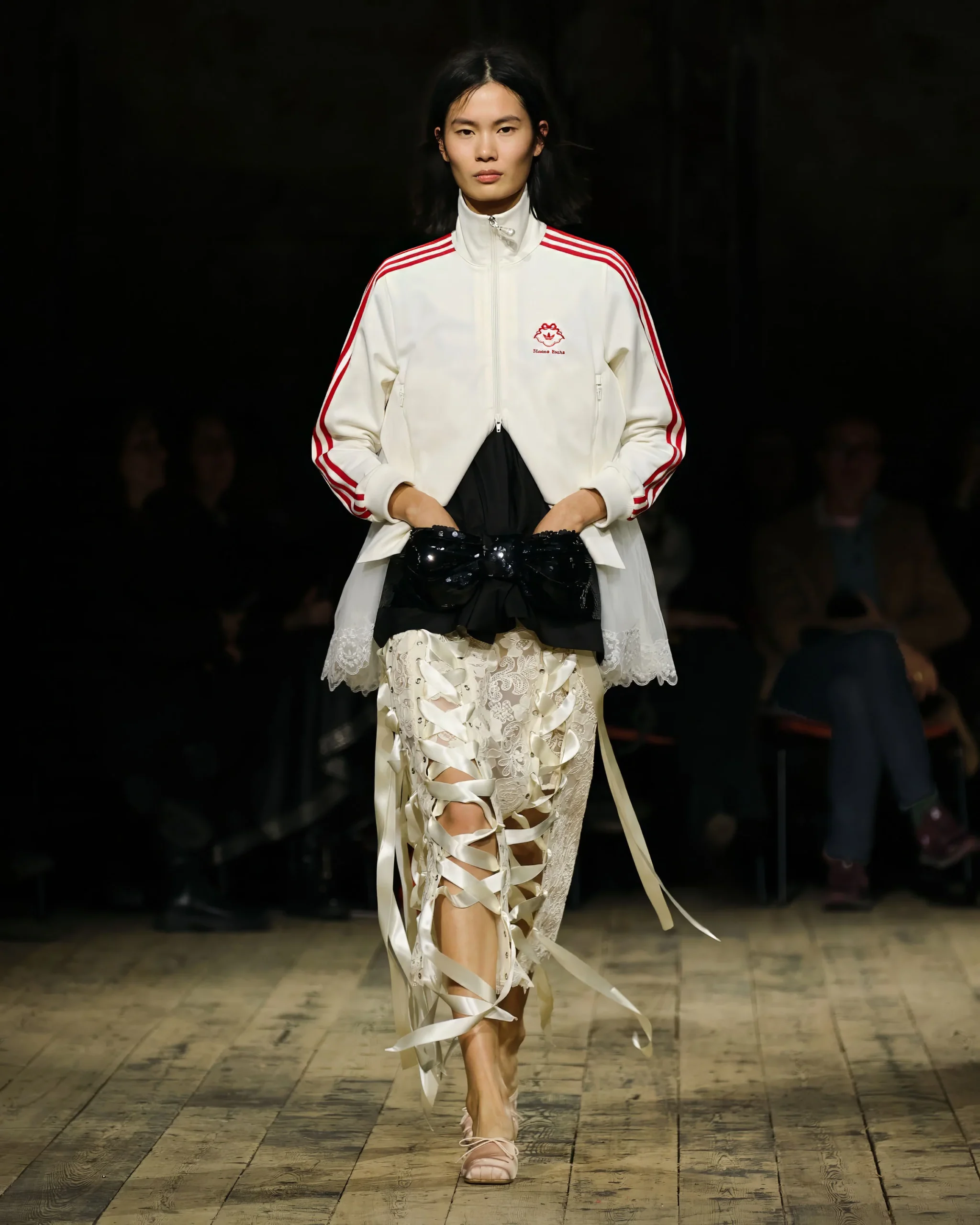
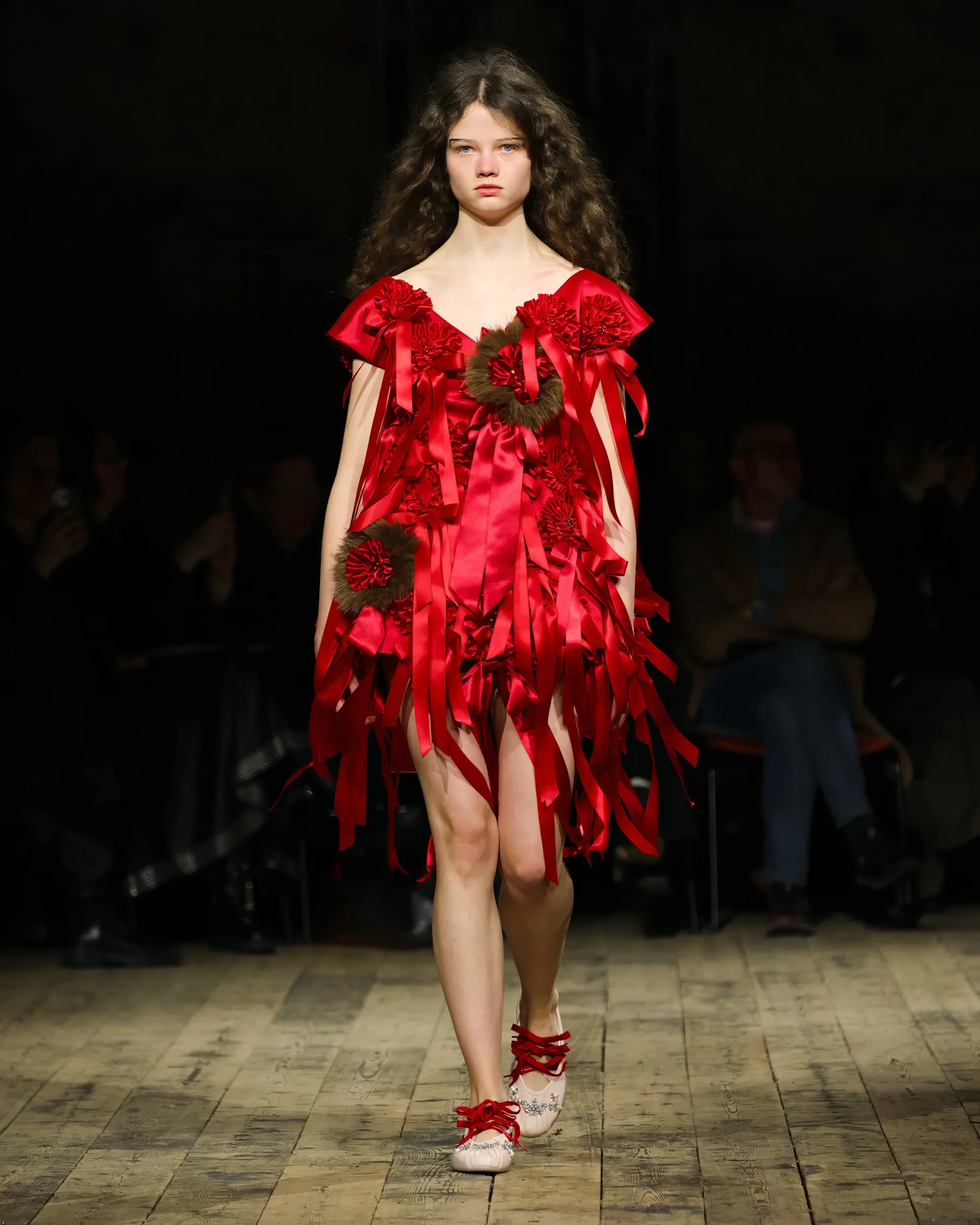
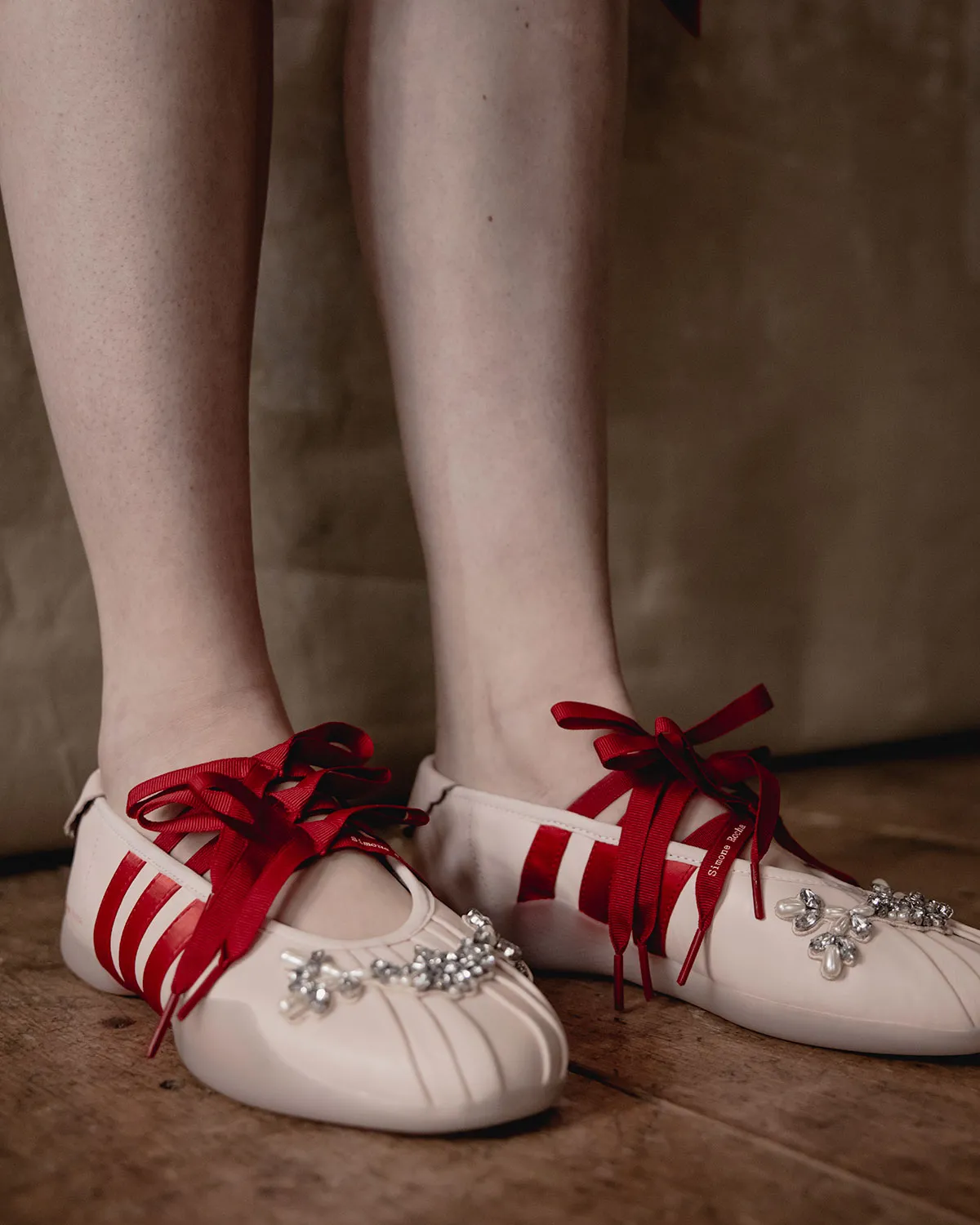
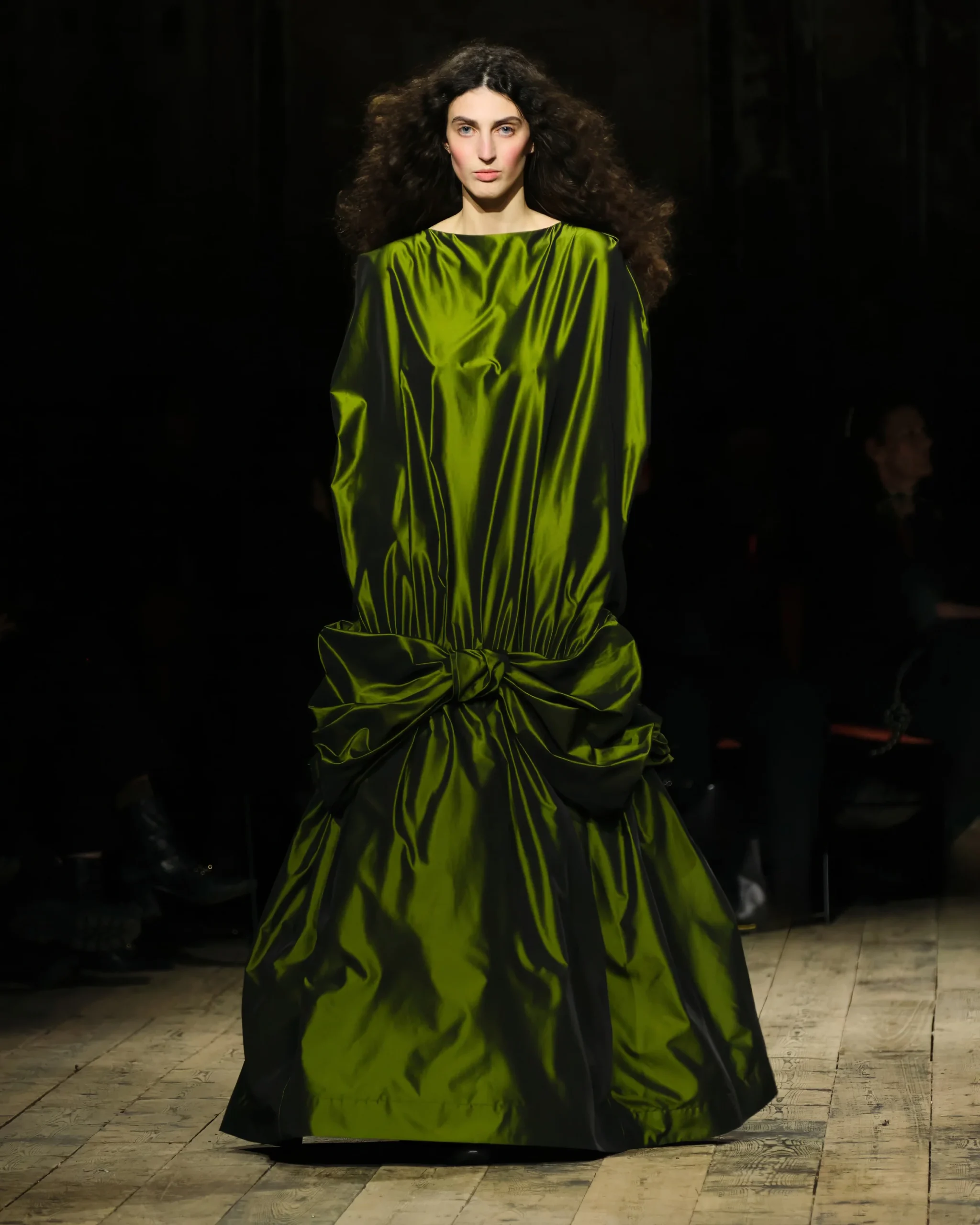
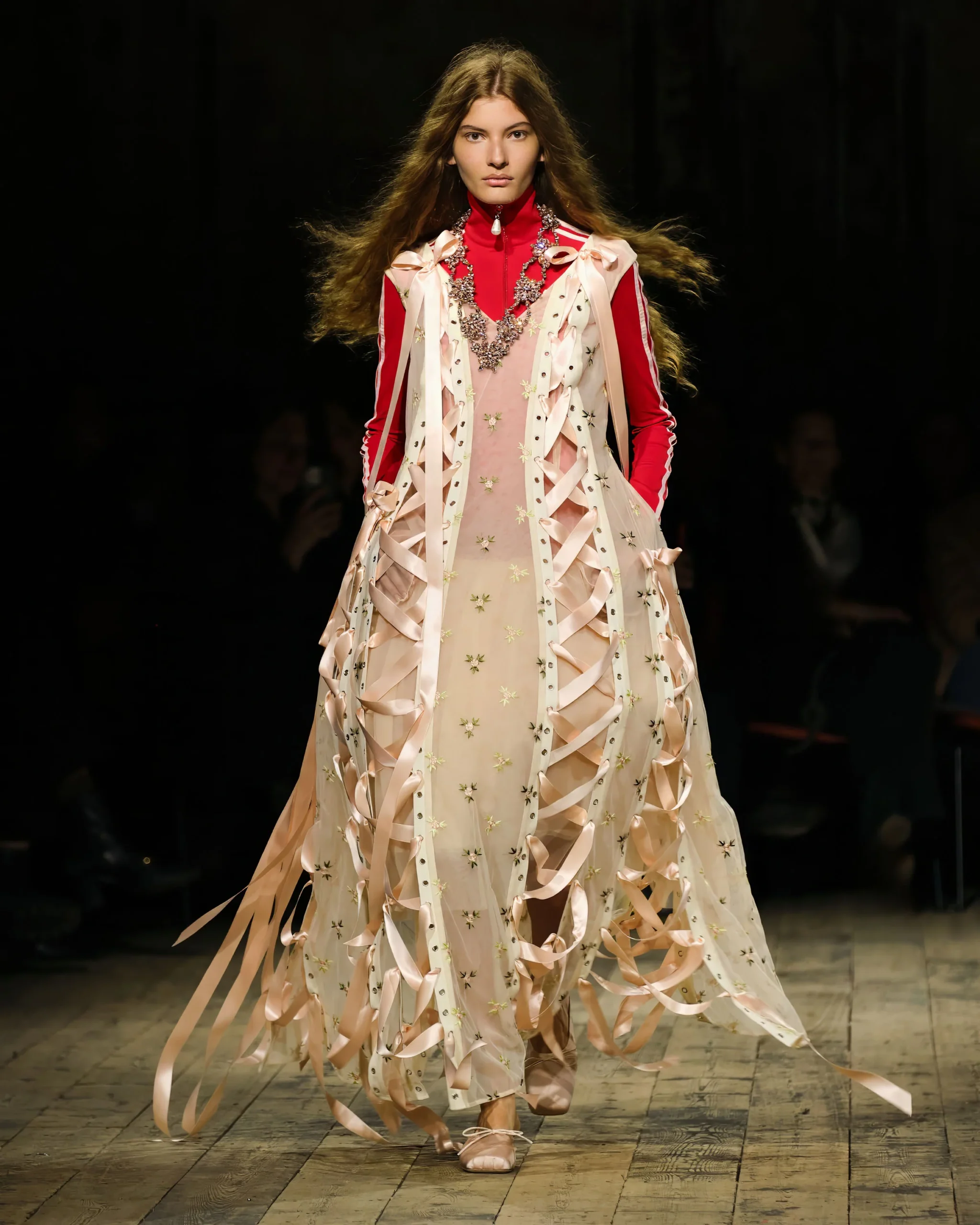
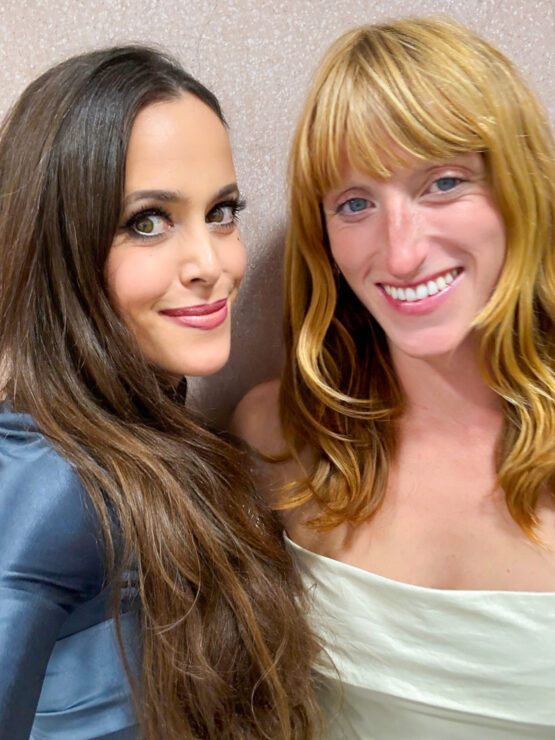
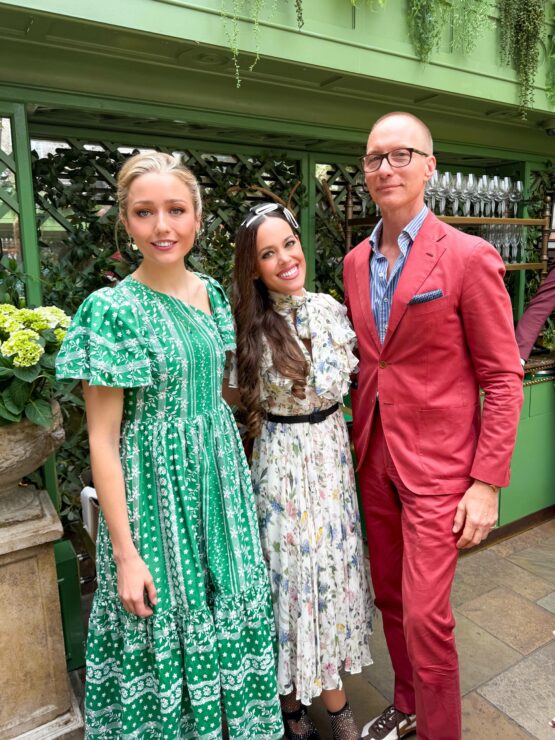
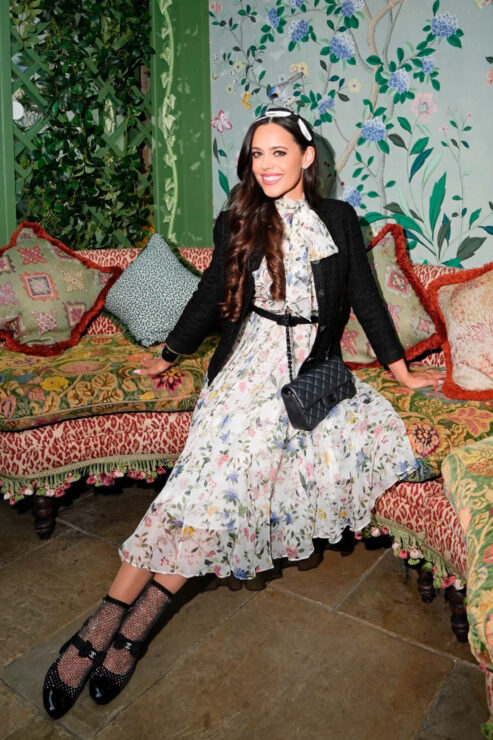
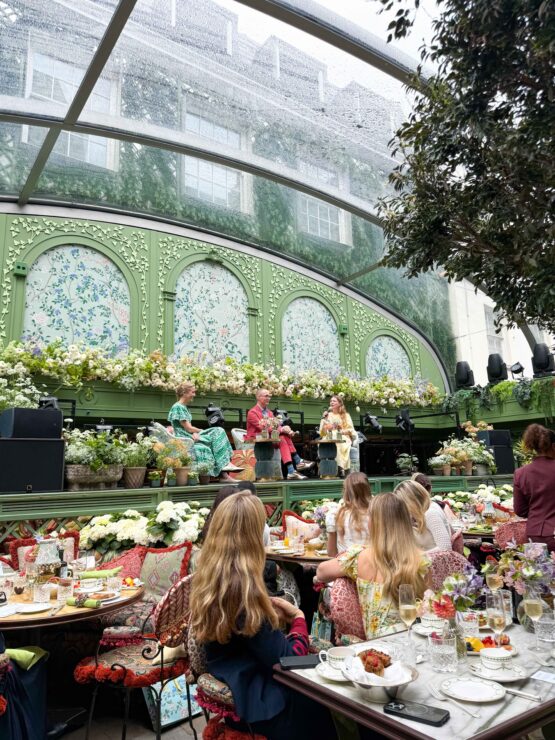
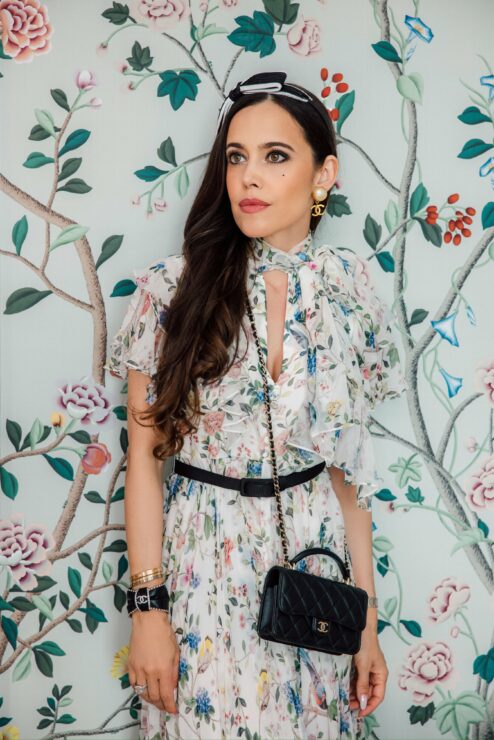
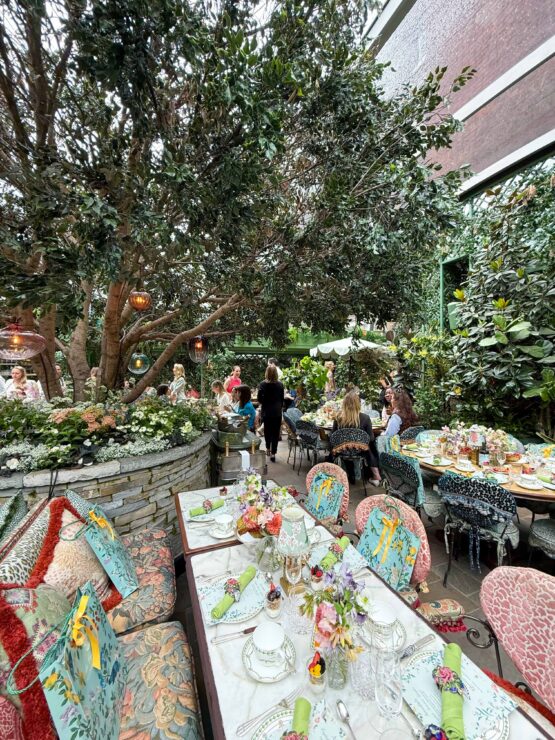
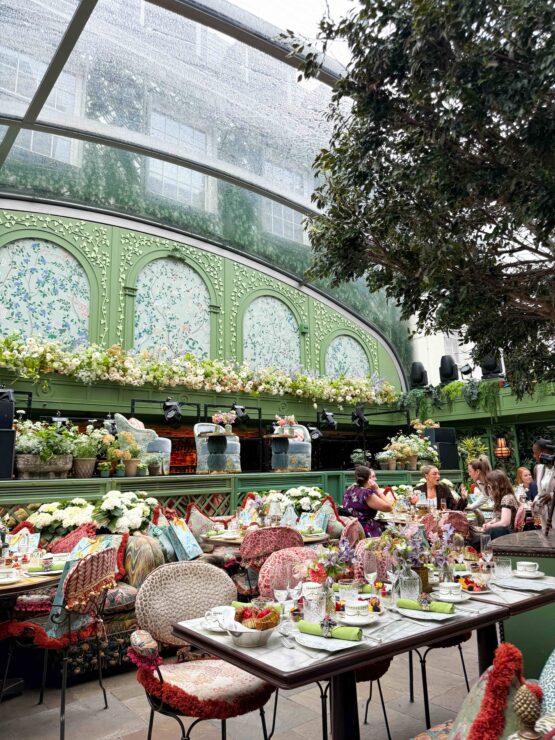
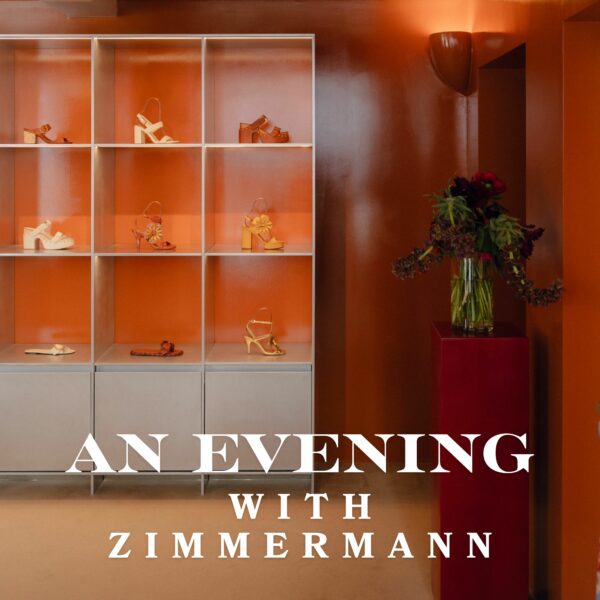
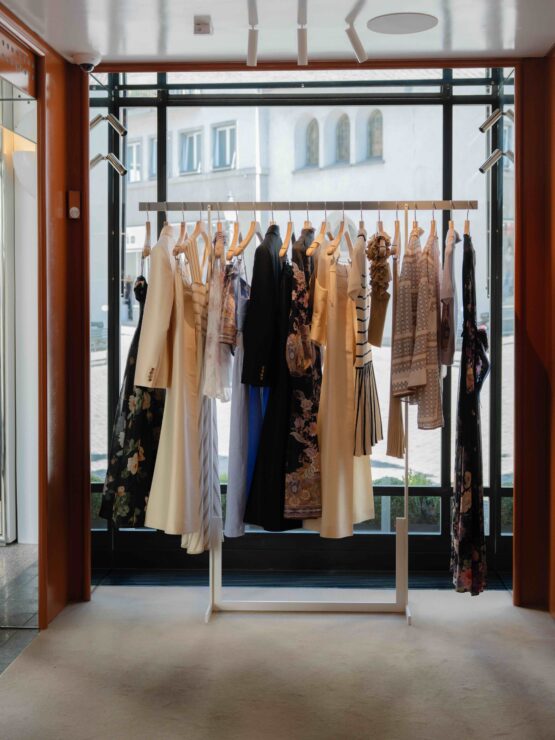
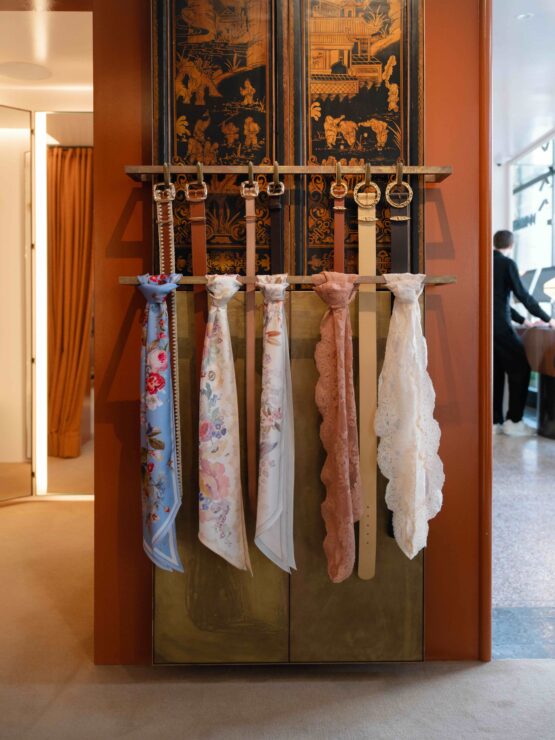
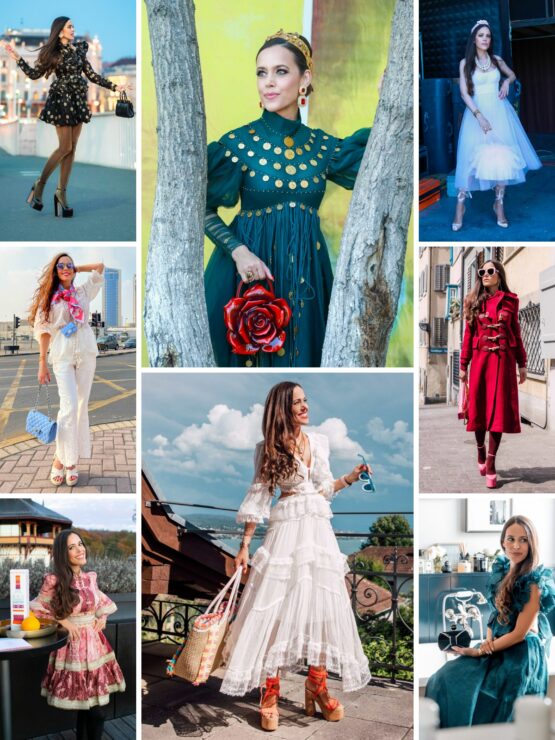
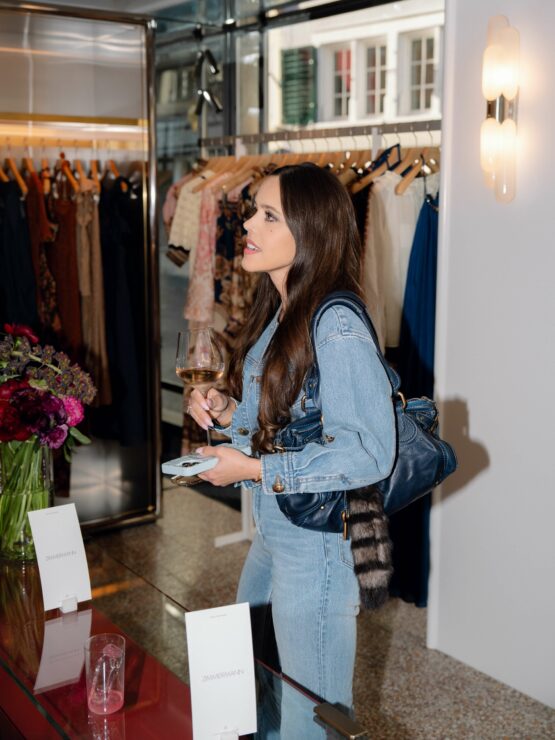
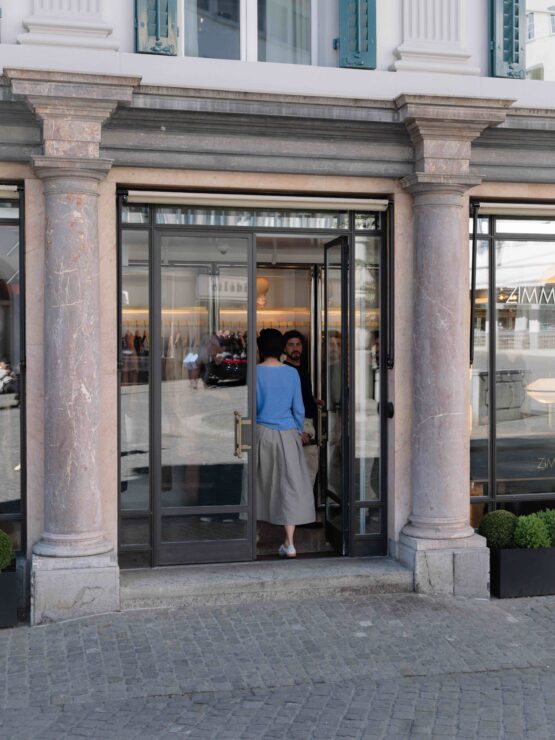
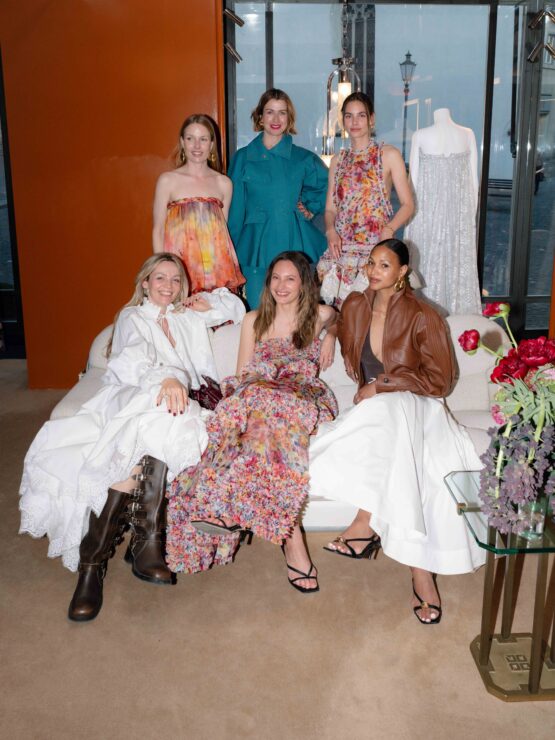
This week, I had the absolute pleasure of being invited to the Zimmermann boutique here in Zurich for an exclusive event celebrating their new collection and it was nothing short of magical.

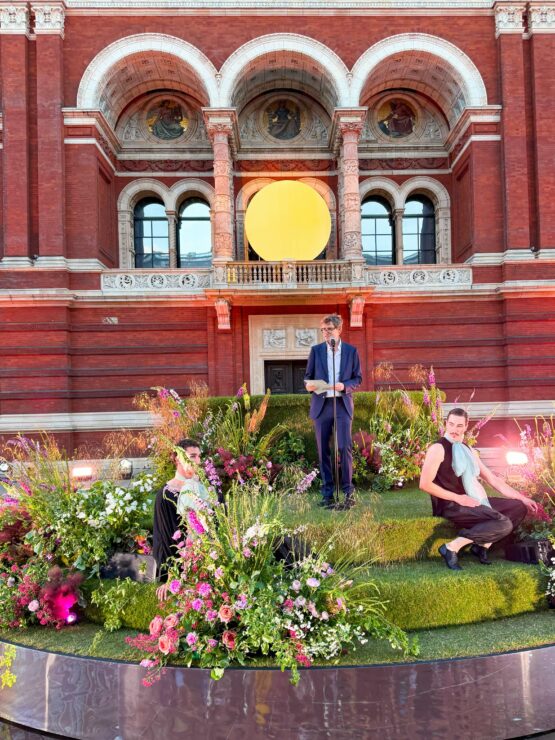
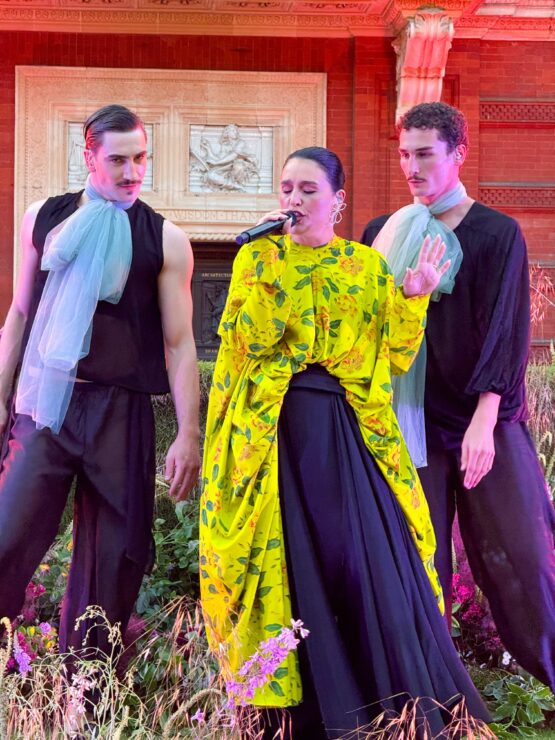
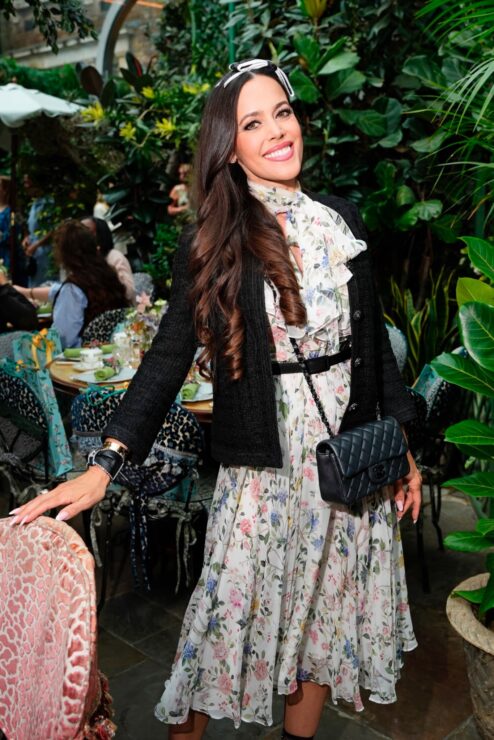
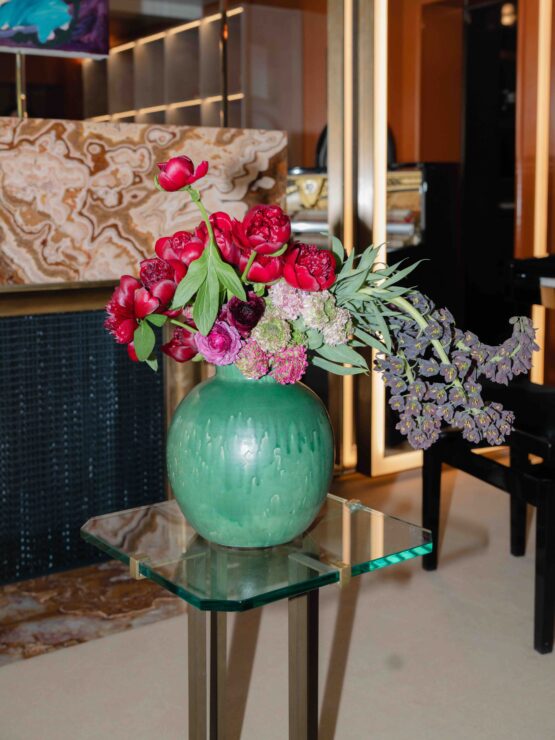
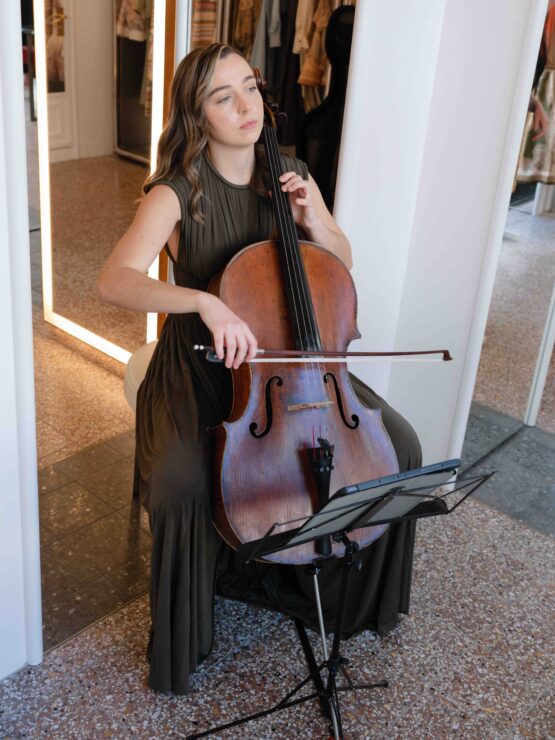
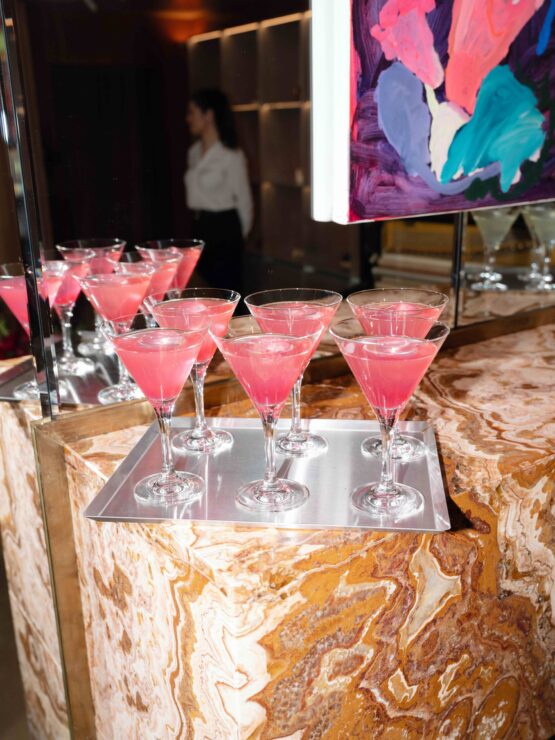
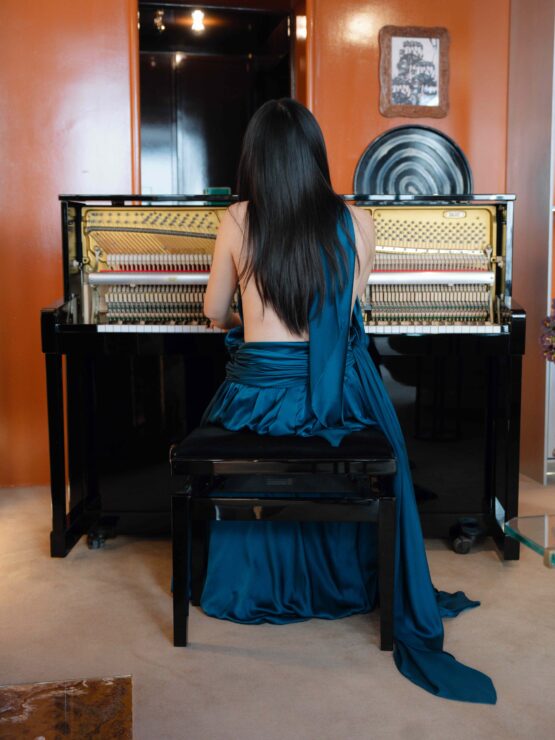
The boutique was alive with beautiful cocktails, wonderful conversations, and enchanting musical performances that set the most perfect atmosphere. It was one of those rare evenings where everything just felt at ease, the people, the energy, the setting, and of course, the clothes.

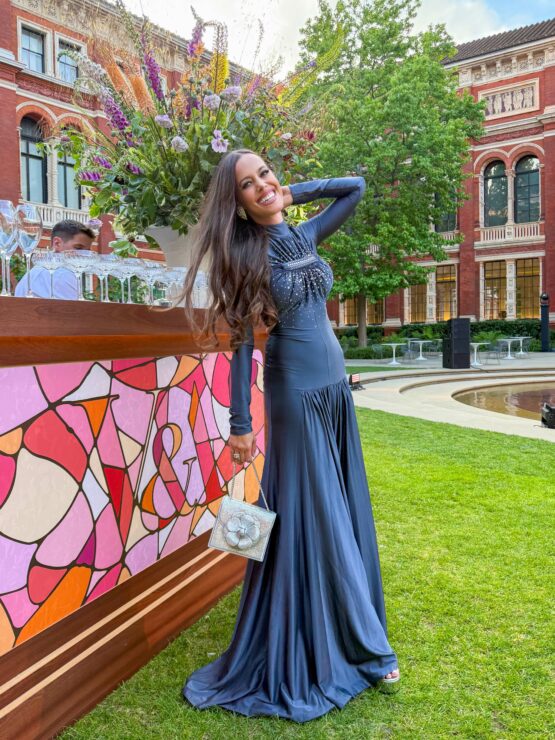
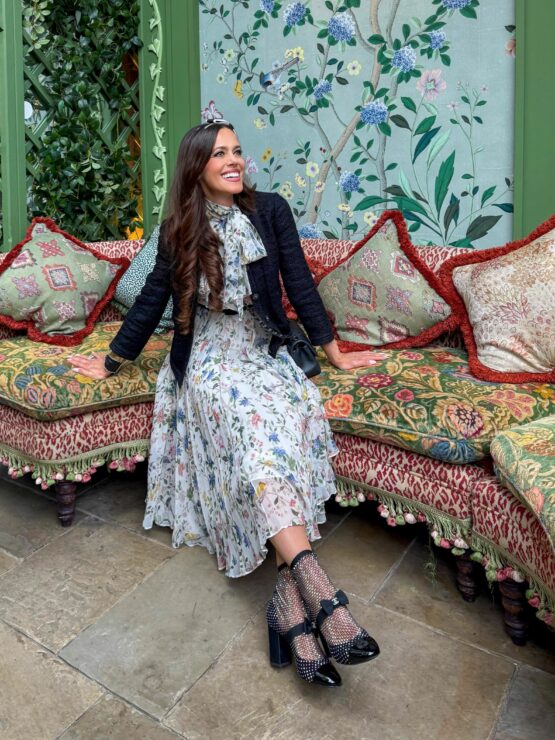
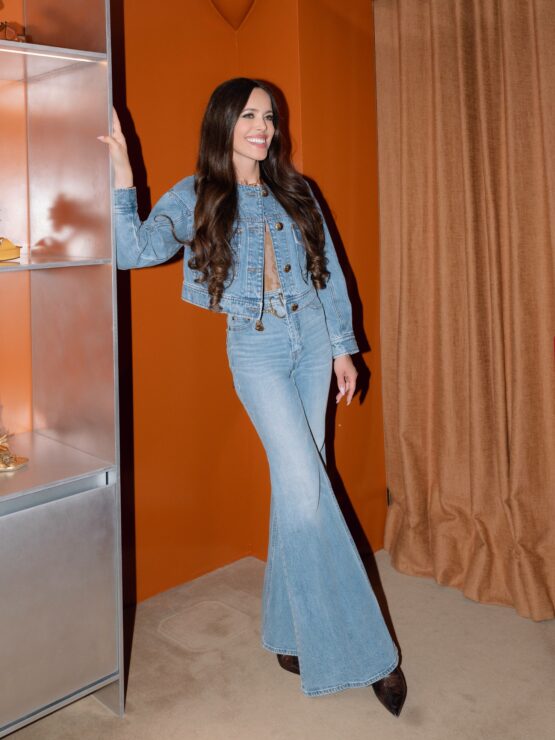
(If you like my Zimmermann look, click here for the details).

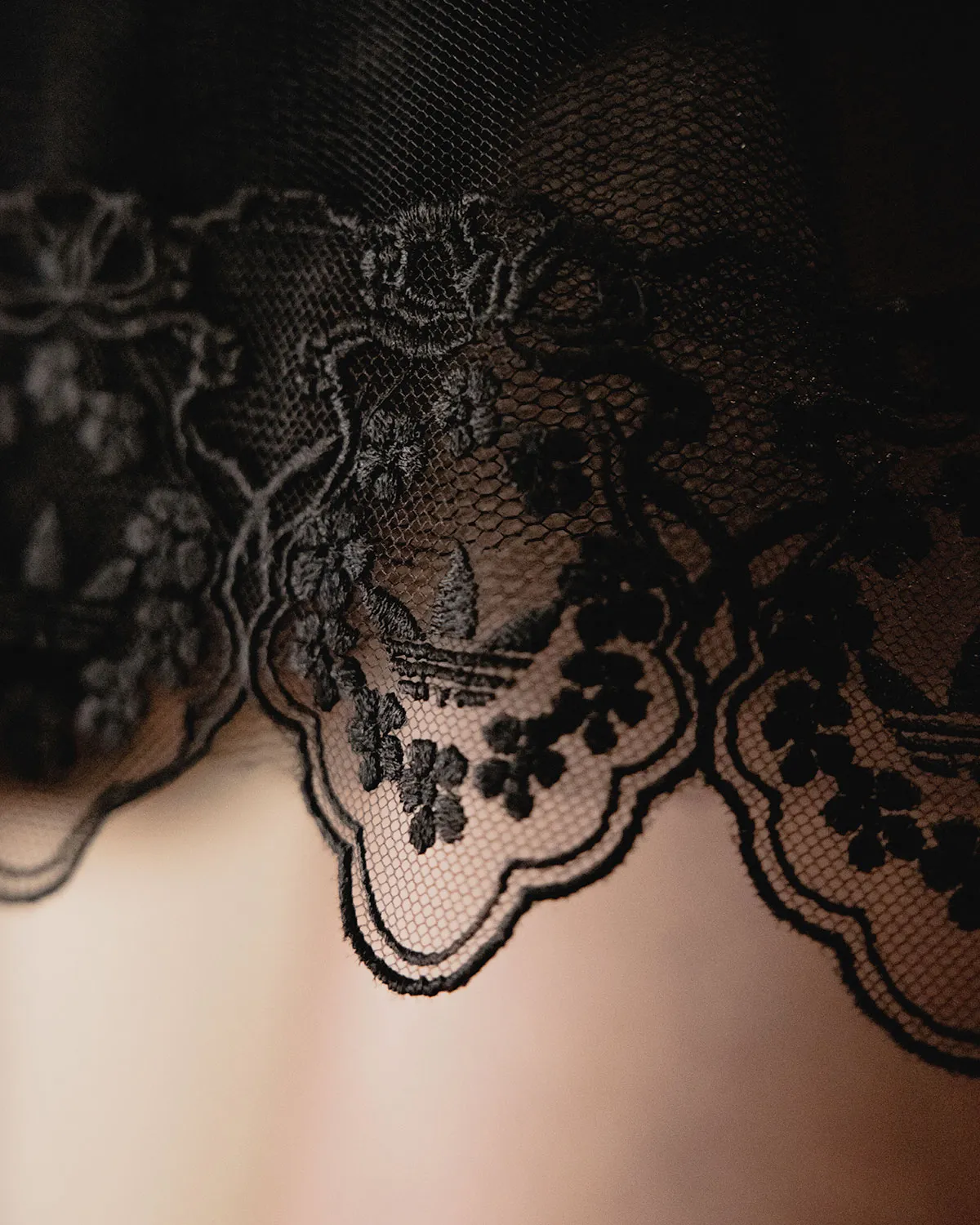
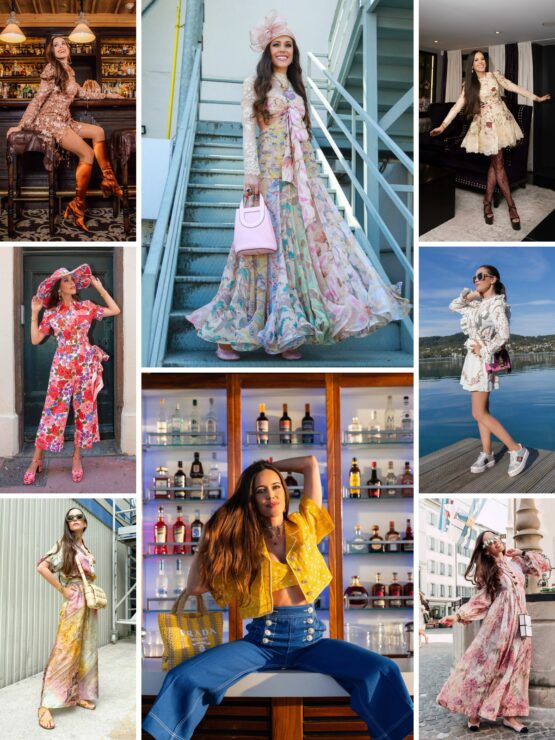
Zimmermann needs little introduction for those who follow fashion. Founded in Sydney in 1991 by sisters Nicky and Simone Zimmermann, the Australian label has grown into one of the world’s most beloved luxury brands. Known for their dreamy femininity, intricate craftsmanship, and that signature blend of romance and ease, Zimmermann has a way of making every piece feel like it was made just for you. Their designs draw heavily on delicate prints, flowing silhouettes, lace detailing, and an almost poetic sense of movement, clothes that feel as beautiful to wear as they look.

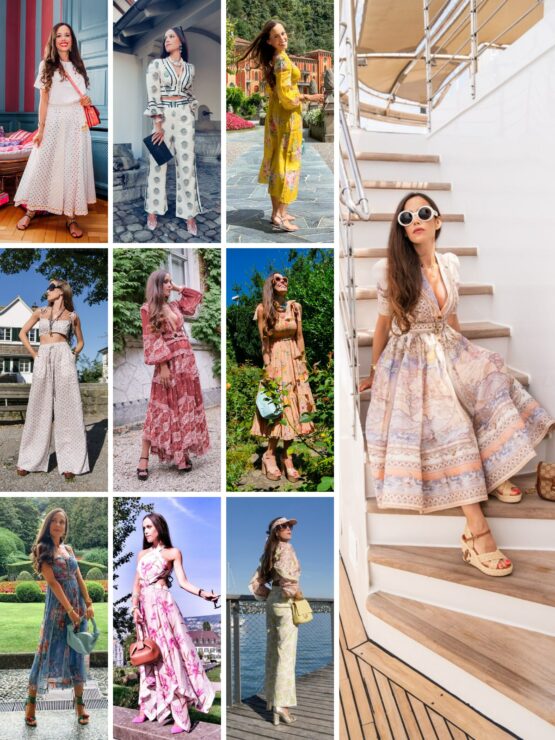
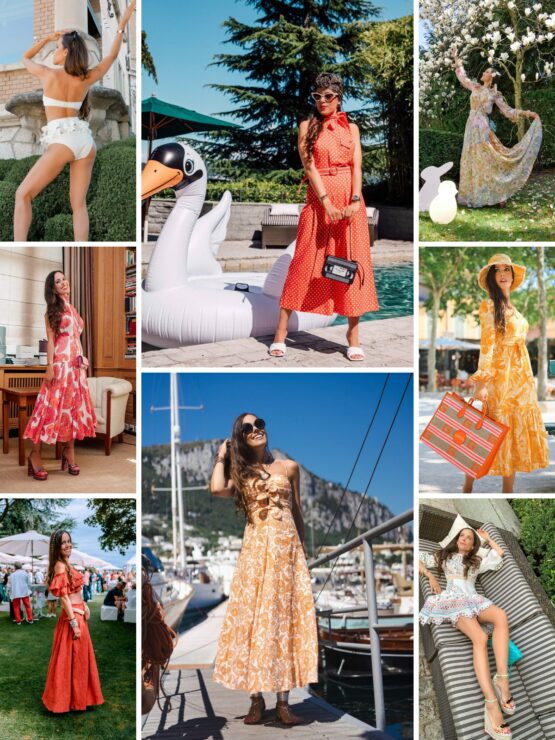
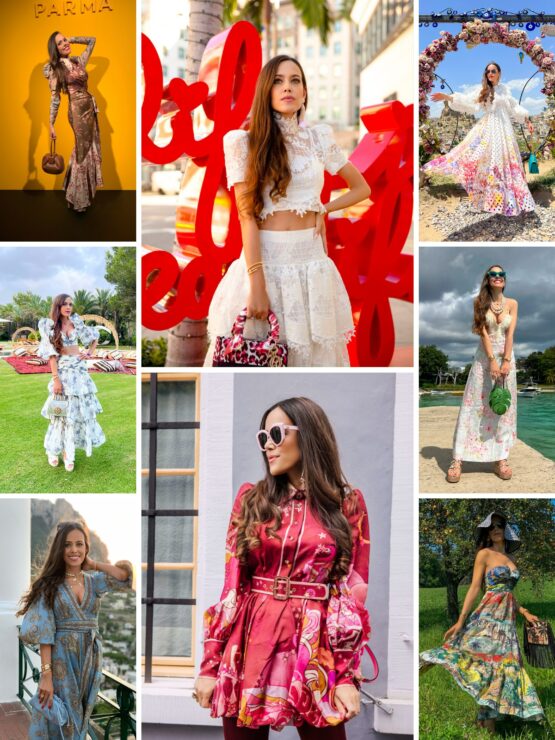
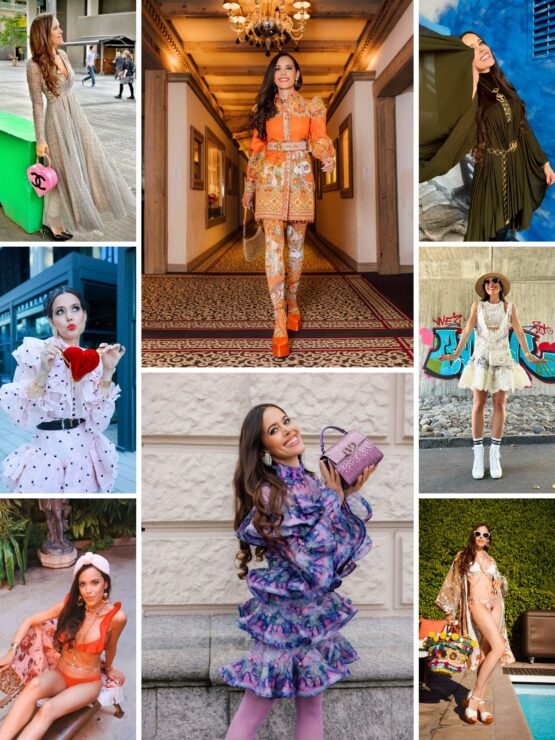
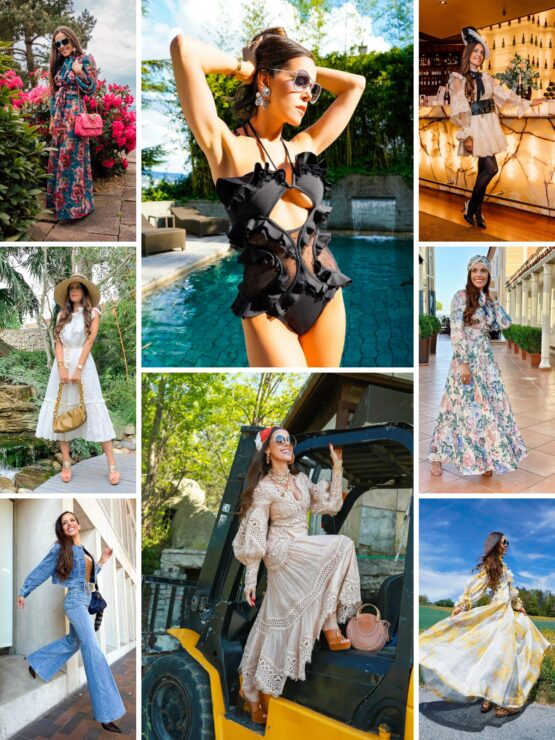
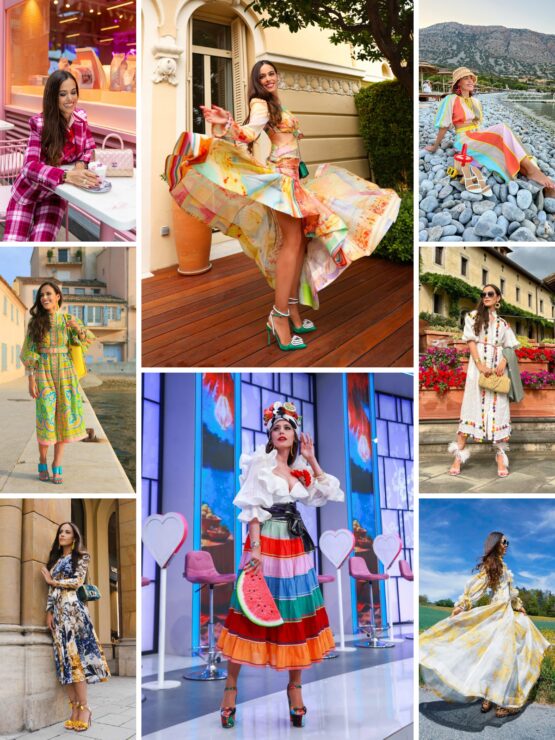
I have to confess: Zimmermann is one of my absolute favourite brands. I own an embarrassing number of their pieces and I regret none of them (scroll down and you see most of my Zimmermann outfits). Every single item tells a story and has a place in my heart (and my wardrobe).

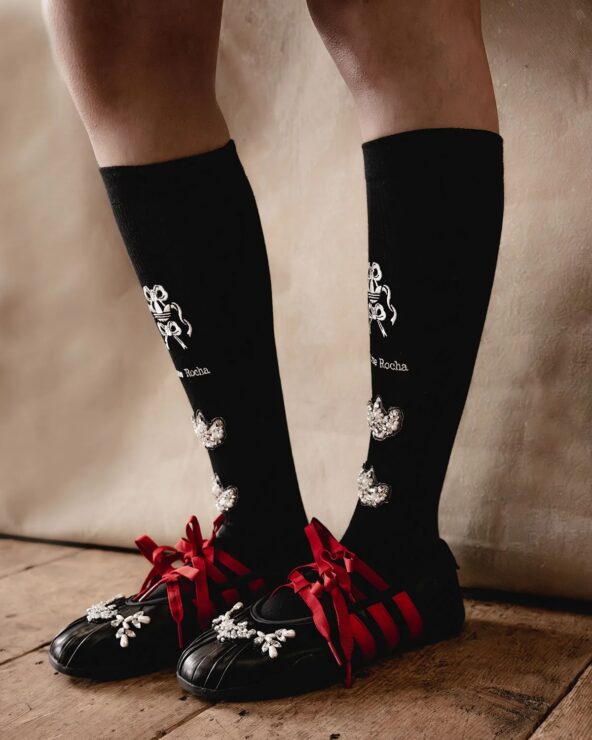
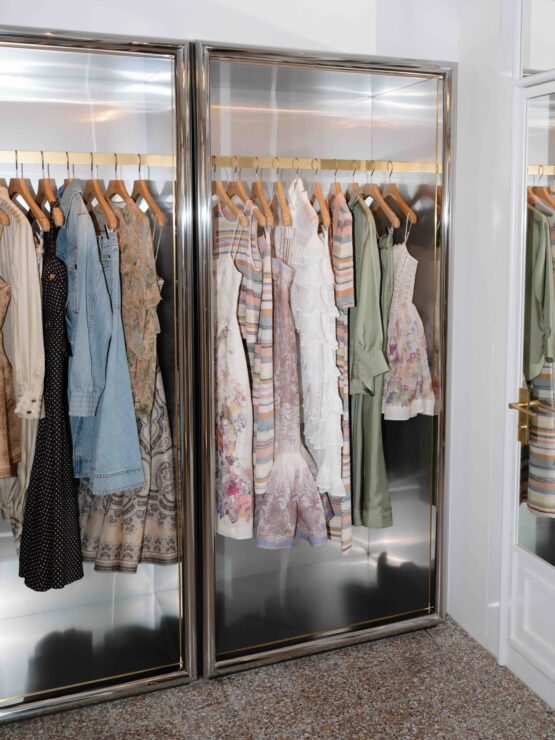
The new collection did not disappoint. Seeing it up close, feeling the fabrics, and discovering the details in person was a true treat. If you ever get the chance to visit the Zurich boutique, do not hesitate, it is a beautiful space worthy of the brand it represents.

TO SHOP THE NEW ZIMMERMANN COLLECTION ONLINE, CLICK HERE PLEASE.

Thank you, Zimmermann, for such a wonderful evening. Until next time.

LoL, Sandra


Photos: © Sandra Bauknecht and @SelinaSeibel
DISCLOSURE: We may earn commission from links on this page, but I only recommend products I love. Promise.

My Look: Family Time

Family Time 🤍… some things are just universal. A day in Boston with my daughter Anouk, my favorite kind of time. We ended it with Peking duck at JIANG NAN – Chinese Fusion, simple and perfect.

Wearing Alice + Olivia – I love how the brand creates pieces that feel playful, bold, exactly my style and with a fit that feels made for me.

And every time I watch the stories of Stacey Bendet, I can’t help but smile, the way her daughter Scarlet captures her, the little comments, that mother-daughter rhythm… it feels so familiar. Alice + Olivia was founded in 2002, the same year Anouk was born. A full circle moment.

My look: Bradley stretch cotton equestrian cardigan, and gorgeous corduroy jumpsuit, both by Alice + Olivia, Paris metallic leather ankle boots and Monogram fringed shoulder bag, both by Saint Laurent, cat-eye sunglasses by Gucci, and crystal-embellished clip-on earrings in gold by Alessandra Rich.

LoL, Sandra

Photos: © Sandra Bauknecht
DISCLOSURE: We may also earn commission from links on this page, but I only recommend products I love. Promise.

Tbilisi: The Fashion Capital You Need to Know

Georgian Fashion: Why Tbilisi Belongs on Every Fashion Lover’s Map

There is a city where fashion is not a trend. It is a statement of identity. Tbilisi surprised me. Not with its architecture, not with its food, although both are extraordinary, but with the way people dress. Expressive, oversized, dark, fearless. Nothing for the shy. The women on the streets wear their individuality like armour. Deep, dark makeup. Sculptural silhouettes. A grunge-cool energy that feels entirely their own and entirely unimpressed by what anyone else thinks. I found it absolutely thrilling.

But the real story of Georgian fashion starts with two names the world already knows.

Demna & David KomaGeorgia’s Global Voices

Demna Gvasalia, co-founder of Vetements, the visionary behind Balenciaga’s radical reinvention, and now at the helm of Gucci, is Georgian.. His architectural, often raw approach to fashion has always carried something of his homeland in it, that particular tension between brutalism and beauty that Tbilisi embodies perfectly. David Koma (in picture with me), born in Tbilisi and trained at Central Saint Martins, built an international career on precise, sculptural dressing that is quietly, unmistakably Georgian in its rigour. Both are proof that this small country punches far above its weight on the global fashion stage.

ANOUKIGeorgia’s Own Victoria Beckham

If there is one name that defines modern Tbilisi fashion for a wider audience, it is ANOUKI. Founded in 2013 by Anouki Areshidze, the brand is known for its bold colours, intricate embellishments, and a distinctive mix of textures that blends modernity with femininity. Anouki herself is something of a national icon, married to the mayor of Tbilisi, and often described as the Victoria Beckham of Georgia.

She has her own flagship store in the city (2 Tarkhnishvili Street), and her pieces are available internationally on Farfetch and Moda Operandi. I adore her designs (how cute are these tulle dresses?!) and not only because her name happens to be the same as my daughter’s.

SituationistFashion as Political Act

Situationist founder Irakli Rusadze has never shied away from using his collections to make bold, powerful statements. A self-taught designer born and based in Tbilisi, he started working in fashion at fifteen and presented his first collection at Tbilisi Fashion Week at twenty-one. Today, Situationist shows in Paris and counts Beyoncé, Bella Hadid and Doechii among its fans. The brand’s name is inspired by the mid-20th century group of intellectuals and artists known as the Situationists, emblematic of political dissent and cultural avant-garde. His clothes carry that weight as this gorgeous brown leather jacket. You feel it when you look at them. His designs are also available at Farfetch.

George KeburiaThe Sunglasses Everyone Is Wearing

George Keburia is a self-taught designer born in Tbilisi in 1990, whose label is known for surrealist references and outlandish concepts expressed through exaggerated silhouettes and a synthesis of heavy and light fabrics. But it was his eyewear that made him globally famous. His sleek, angular frames found fans in Rihanna, Solange, and Bella and Gigi Hadid, a reminder that the fashion landscape is increasingly shaped by one iconic piece rather than an entire runway. If you have been wondering where those tiny cat-eye frames you keep seeing come from – now you know.

Tamuna Ingorokva – Tailoring with Couture Precision

Tamuna Ingorokva is the quieter name on this list, but no less impressive. Known for her minimalist tailoring crafted in her own Tbilisi atelier, each piece is cut and sewn by a small team with a couture-like attention to detail. Her work is the antidote to fast fashion – considered, precise, and built to last.

Aleksandre AkhalkatsishviliDeconstructive Minimalism

Aleksandre Akhalkatsishvili is one of the most exciting names to emerge from the Georgian fashion scene in recent years. The award-winning designer is behind not one but two of Georgia’s best-known labels, Matériel, which he co-designs with Lado Bokuchava, and his own eponymous line. His philosophy is deconstructive minimalism, using vegan leather as a signature material, he creates a vision of the modern woman who is aligned with the 21st century and unafraid of its challenges. Straight lines, a precise mix of feminine and masculine, and pieces that are built to last beyond a single season. A name to know – and to wear.

Mercedes-Benz Fashion Week TbilisiGeorgia’s Own Runway

Since 2015, Tbilisi has its own Fashion Week, and it is the real deal. Every October, international press, buyers and tastemakers fly in to discover the next generation of Georgian talent. Names like ANOUKI, George Keburia, Lado Bokuchava and Ingorokva have all shown here. Not every big name is on the schedule, Demna and David Koma built their careers on the international circuit, but for anyone wanting to experience Georgian fashion at its most raw and exciting, this is the moment to be in Tbilisi.

Where to Shop in Tbilisi – My Personal Edit

Ieri (Vasil Petriashvili 1) is not easy to find, which is part of its charm. Tucked into a wonderfully cool neighbourhood full of great restaurants and cafés, it is a destination worth seeking out. The concept store celebrates Georgian designers almost exclusively at the highest level, the sign at the entrance reads like a who’s who of the country’s best talent: Aleksandre Akhalkatsishvili, Situationist, Keburia, Lado Bokuchava, Sofio Gongli, Tata Naka, Lili Archive, David Koma, Ingorokva, and more.

Recently, Comme des Garçons joined the edit, after Rei Kawakubo visited Tbilisi, fell in love with the store, and personally wanted her pieces to be sold there. That alone tells you everything about the calibre of Ieri.

More is Love, closer to the hotel district, carries a wonderful selection of Georgian designers including ANOUKI, and is a perfect starting point for discovering the local scene in one visit.

Right next door, Archived Couture is a revelation for vintage lovers, an incredible selection of Christian Lacroix and CHANEL at a quality that would be hard to find anywhere in Europe.

Boygar’sTbilisi’s Luxury Destination

For those who want international luxury alongside the local talent, Boygar’s on Rustaveli Avenue is a must. Spread across three floors of a stunning historic building on Tbilisi’s main shopping boulevard, the store carries an exceptional edit of global houses, Prada, Loewe, Bottega Veneta, The Row, Jacquemus, Valentino, Khaite, Phoebe Philo, Saint Laurent and many more.

But what makes Boygar’s truly special is the interior, designed by acclaimed Stockholm-based studio Halleroed, it pairs the building’s ornate architectural heritage with contemporary minimalism, Georgian earthy tones and curated artworks by young Georgian artists. It does not feel like a luxury store you have seen before. It feels like Tbilisi.

Beyond these, the city is full of thrift stores and vintage finds at every price point. Just be aware: there are also many shops selling fake designer goods. My rule, if it feels too easy, walk past and never ever buy fakes!

A Final Note
Georgian fashion is expressive, political, deeply rooted in cultural identity and utterly unbothered by the mainstream. Whether you leave with a Keburia pair of sunglasses, an ANOUKI piece, or simply a new perspective on what dressing boldly really means, Tbilisi will stay with you long after you land home. I know it has stayed with me.

LoL, Sandra

Photos: © Sandra Bauknecht
DISCLOSURE: We may also earn commission from links on this page, but I only recommend products I love. Promise.

Schiaparelli – Fashion Becomes Art

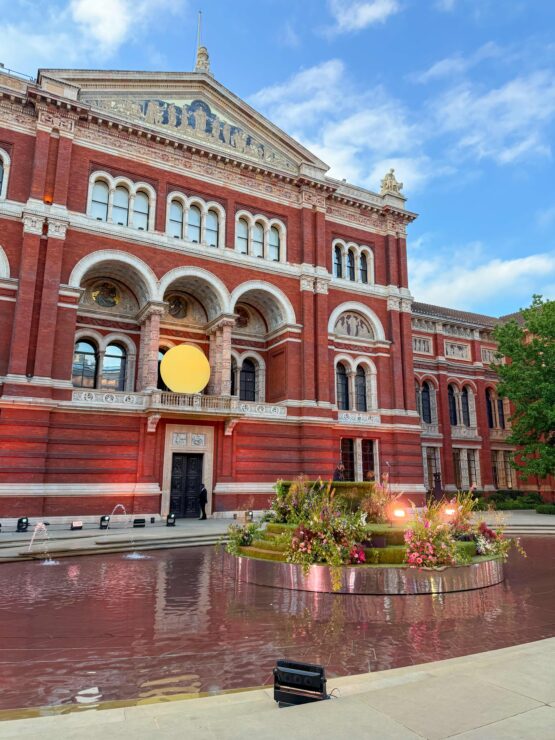
«Schiaparelli: Fashion Becomes Art» – an exhibition that sets out to explore the rare moment when clothing transcends function and becomes pure expression – opened at the Victoria and Albert Museum with a quiet sense of occasion that felt entirely fitting.

The evening began, as such evenings should, with a sense of anticipation. London suspended between history and spectacle, the museum preparing to open its doors to a world that has always lived slightly beyond the real.

With my dear friend Pernilla Bennet of House of Bennet at the opening.

I had flown in for the occasion, drawn not only by the promise of the exhibition but by something more personal, a long-standing admiration for Elsa Schiaparelli and the singular universe she created. Dressing for the night felt less like choosing an outfit and more like stepping into a dialogue with her legacy.

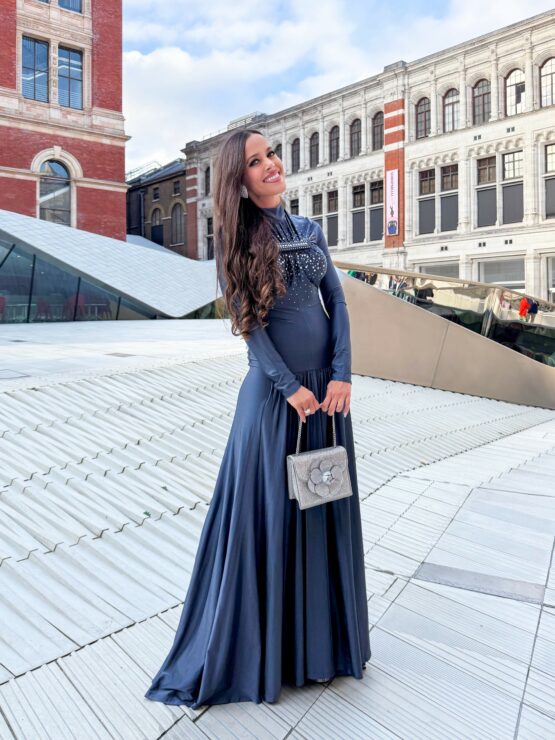
I wore Schiaparelli, of course, an ensemble rich in detail, anchored by those unmistakable buttons that are never merely functional but small sculptures in their own right. There is something transformative about wearing Schiaparelli: you don’t simply dress, you participate.

Beautiful opening speech by Tristram Hunt, Director of the Victoria and Albert Museum.

With actress and singer Minnie Driver at the opening reception.

Almost as if the spirit of Elsa Schiaparelli was still quietly moving through the room.

With one of the UK’s first hijab-wearing models, Ikram Abdi Omar, both in Schiaparelli.

The Opening: A Living Surrealist Moment

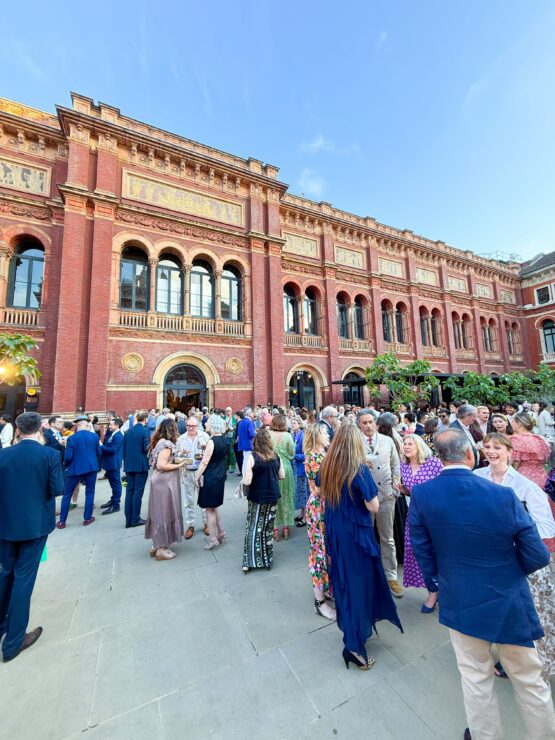
The reception unfolded with a kind of cinematic elegance. Guests moved through the museum like characters in a dream Elsa herself might have approved of, where fashion, art, and personality dissolve into one another. It felt fitting, because Schiaparelli never believed in boundaries.

Elsa was not simply a designer; she was an instigator of ideas. She introduced shocking pink as a cultural statement, elevated the ordinary into the extraordinary, and treated garments as canvases for wit and subversion. Her fascination with the surreal, lobster dresses, skeleton gowns, tears rendered in silk, was never decorative. It was a way of seeing.

She brought so many extraordinary ideas into fashion. Her eye for surrealism, her collaborations with artists like Salvador Dalí and Jean Cocteau, her instinct for symbolism and illusion, and her fascination with remarkable details, especially her extraordinary buttons, helped redefine what couture could be.

On display is the Schiaparelli Harlequin Coat from the S/S 1939 Haute Couture collection entitled «Commedia dell’ Arte» inspired from Man Ray’s 1939 painting entitled «Les Beaux Temps».

Elsa did not merely create beauty; she created conversation. Her work had humor, elegance, and often an intentional sense of disturbance. That was part of her brilliance. She understood that fashion becomes unforgettable when it surprises the eye and unsettles expectation just enough to make people look again.

A Morning with the Past and Present

The following morning offered something rarer: stillness, and the privilege of understanding.

I was guided through the exhibition by Sonnet Stanfill, Senior Curator of Fashion at the Victoria and Albert Museum (V&A), whose clarity and sensitivity brought the entire curation into focus. It was a deeply impressive experience and one that stayed with me on a very personal level.

One room is dedicated to Elsa Schiaparelli’s amazing jackets with incredible details.

What makes this exhibition remarkable is its rhythm. Rather than isolating history, it stages a conversation, one room dedicated to Elsa’s original creations, the next to the contemporary vision of Daniel Roseberry.

Daniel Roseberry’s dreamy designs.

This alternation is more than curatorial, it is philosophical. It allows you to see, almost viscerally, how a house survives time without becoming static.

Three rare pieces from Elsa Schiaparelli’s iconic 1938 Circus Collection.

From Elsa to Daniel Roseberry – a legacy reimagined, the inspiration found within the exhibition itself.

Elsa’s pieces remain astonishing: technically daring, intellectually mischievous, and deeply emotional. But what I just love as much is how seamlessly Roseberry’s work stands beside them. He has achieved something exceedingly rare. His designs do not imitate; they translate. The codes, bold symbolism, sculptural silhouettes, that slightly disquieting elegance, remain intact, yet they are sharpened for a contemporary eye.

Daniel Roseberry with me

For me, he is one of the most compelling designers working today. There is precision in his work, but also courage. He understands that Schiaparelli must provoke, not just please.

Walking through the exhibition, I felt something unexpectedly personal: a renewed conviction in the beauty of collecting fashion. To preserve, to curate, to believe that garments carry memory and meaning. And, quietly, the thought emerged, perhaps one day, my own collection Sandra’s Closet will live in a space like this.

Conversations at Annabel’s

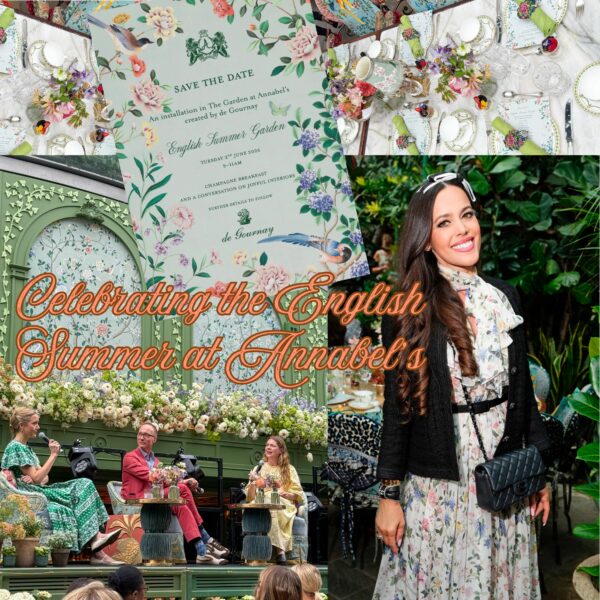
From the museum, I hurried to Annabel’s, where another layer of the story unfolded in conversation.

On stage, Daniel Slater, Director of Exhibitions at the V&A, spoke alongside Francesco Pastore, Head of Heritage and Culture at Schiaparelli, about the making of the exhibition. What appears effortless to the visitor is, in truth, the result of years, seven, as it turns out, of discussion, negotiation, research, and patience. To gather these pieces, to shape them into a coherent narrative, required not only expertise but devotion.

Toward the end, Delphine Bellini, CEO of Schiaparelli, joined the discussion, and I found myself asking a question that had lingered with me: why choose Daniel Roseberry, at the time a relatively unknown name outside industry circles, despite his important work with Thom Browne?

Her answer was as precise as it was revealing. Roseberry had submitted a portfolio so extraordinary, so clear in its vision, that the decision became inevitable. What he offered was not just skill, but perspective: an ability to bridge heritage and modernity through what she described, beautifully, as a «quite disturbing view

It is exactly that tension, between beauty and unease, elegance and provocation, that defines Schiaparelli at its best.

Daniel Roseberry’s now-iconic look worn by Gigi Hadid in Cannes with its sculptural lung necklace born from an unexpected production accident, turned into one of Schiaparelli’s most striking modern signatures.

A House That Refuses to Sleep

What this exhibition ultimately makes clear is that Schiaparelli is not a house anchored in nostalgia. It is alive, restless, intelligent, and unwilling to settle.

Elsa once stood at the intersection of fashion and art, reshaping both. Today, under Daniel Roseberry, that spirit continues, not as imitation, but as evolution.

And as I left, still carrying the echo of the night before and the clarity of the morning after, one thought remained: some maisons dress the body, others shape identity. Schiaparelli does something rarer, it changes the way you see.

And that, perhaps, is the real triumph of «Schiaparelli: Fashion Becomes Art»: it shows that the most powerful fashion does not simply dress the body. It leaves a mark on the mind.

Schiaparelli: Fashion Becomes Art runs until 8 November 2026 at V&A South Kensington.

LoL, Sandra

Photos: © Sandra Bauknecht
DISCLOSURE: We may earn commission from links on this page, but I only recommend products I love. Promise.

A Collision of Genius and Contradiction

John Galliano x Zara: A Collision of Genius and Contradiction

When Zara announced its two-year creative partnership with John Galliano, the fashion world did what it always does in moments like this: it paused, tilted its head, and tried to understand.

Because Galliano is not just another designer. He is, quite simply, one of the most extraordinary creative minds fashion has ever produced. A couturier in spirit, a storyteller by instinct, someone who does not merely design clothes but constructs entire emotional universes around them. His work has always existed somewhere between theatre and technique, excess and precision.

And now… Zara.

The partnership, set to begin in September 2026, promises a reworking of the brand’s own archives, with Galliano deconstructing past garments and reshaping them into new seasonal collections. On paper, it sounds almost poetic: a dialogue between past and present, between mass production and couture authorship.

But the reality feels more complicated.

A visit to the Maison Margiela Couture atelier in 2024 when Galliano presented its last collection for the Maison for Spring 2024.

There is something deeply paradoxical about placing a designer of Galliano’s caliber within the machinery of fast fashion. His talent has always thrived on time, craft, and obsessive detail, qualities that stand in quiet opposition to the speed and scale that define Zara. It is difficult not to feel that something fragile might be lost in translation.

And yet, there is another side to this.

Discovering an amazing archive.

Fashion has long struggled with accessibility. The great maisons, once temples of aspiration, have increasingly become fortresses, defined by relentless price increases, a noticeable decline in quality, and, perhaps most discouragingly, a certain aloofness that keeps many new customers at the door rather than inviting them in. The joy of fashion, of discovery, of participation, has in many ways been diminished.

In that sense, this collaboration raises an interesting question: what does it mean to bring a couturier’s vision to a wider audience?

There is something undeniably compelling about the idea. About Galliano’s imagination reaching people who would otherwise never experience it. About dissolving, even slightly, the rigid boundaries between luxury and accessibility.

But accessibility at what cost?

Fast fashion, by its very nature, carries an uncomfortable weight, of overproduction, of disposability, of a system that prioritizes immediacy over longevity. To place a designer who has always embodied the opposite within that framework feels, at least emotionally, like a mismatch.

Perhaps what many of us hoped for was something in between.

Not the rarefied distance of heritage houses, nor the relentless pace of fast fashion, but a space where creativity, craftsmanship, and accessibility could coexist without compromise. A house that could have given Galliano the room he deserves, while still speaking to a broader, modern audience.

Because his talent deserves that. It always has.

And still, despite the ambivalence, there is curiosity.

What happens when a couturier engages with constraints? When someone like Galliano is asked not to escape the system, but to reinterpret it from within? There is a possibility, however small, that something genuinely new could emerge from that tension.

For now, the announcement leaves us suspended between admiration and unease. We celebrate the return of a genius to the spotlight, while quietly mourning the context in which it happens.

Perhaps that is where fashion finds itself today: caught between two extremes, still searching for its middle ground.

LoL, Sandra

Photos: © Sandra Bauknecht, John Galliano: Photographer / Art Director: Szilveszter Makó @szilvesztermako
DISCLOSURE: We may earn commission from links on this page, but I only recommend products I love. Promise.

Pieter Mulier: Sculpting a New Era at Versace

Pieter Mulier Leaves Alaïa – And I Couldn’t Be More Excited for What He’ll Do at Versace

There are designers who simply take over a house, and then there are those rare creative minds who truly understand its soul while still moving it forward. Pieter Mulier belongs firmly in the latter category.

Born in Belgium in 1976, Mulier originally trained as an architect, something you can still feel in his work today. His designs often have a structural clarity, a precision that shapes the body rather than just dressing it. Before stepping into the spotlight himself, he spent years working alongside Raf Simons, assisting him at Jil Sander, Dior, and Calvin Klein, quietly building a reputation as one of fashion’s most respected creative collaborators.

But it was his appointment as creative director of Alaïa in 2021, becoming the first creative director since Azzedine Alaïa’s passing, that truly revealed the depth of his talent.

With the late Azzedine Alaïa in his Parisian kitchen in 2015.

Taking over a house as legendary as Alaïa is no easy task. The brand has always stood for sculptural silhouettes, technical mastery, and a very particular idea of femininity, strong, sensual, and timeless. What impressed me most about Mulier was his ability to preserve that unmistakable signature while gently modernizing it. His collections never felt like nostalgia, yet they were always unmistakably Alaïa.

I also have a very personal memory connected to Pieter. I met him as guest of NET-A-PORTER when he presented his very first collection for Alaïa and that encounter stayed with me. He is not only incredibly talented, but also genuinely warm, thoughtful and approachable. There is a quiet intelligence about him, a calm confidence that feels very authentic. After meeting him in person, his creations resonated with me even more. Knowing the person behind the work added another layer of meaning.

Visiting the beautiful retrospective of Alaïa designs at 4, rue de Verrerie, 75004 Paris.

Azzedine Alaïa himself, whom I met on several occasions, was also an extraordinary human being, full of generosity and vision. And I truly feel that Pieter understood that legacy, not by copying it, but by translating it into his own language. He honored the spirit of the house while speaking in a voice that was entirely his own.

Display of Pieter’s first collection for Alaïa in store.

On a personal note, one of the changes I appreciated most was the introduction of French size 34. It may sound like a small detail, but for many petite women, myself included, it made the brand significantly more accessible. Suddenly, these beautifully constructed pieces felt not only aspirational but wearable.

My Look: Cocktail Hour (October 2023)

And wearable they were. Over the past five years, Alaïa has easily become one of the labels I’ve purchased the most. Season after season, Mulier delivered designs that felt intelligent, emotional, and incredibly refined. There was always a sense of discipline behind the beauty,  nothing excessive, nothing forced.

My Look: New! (May 2022)

He managed something very few designers achieve: evolution without disruption. New shapes, new proportions, both unmistakably modern.

My Look: Life Is Too Short To Wait (September 2023)

Which is exactly why his move to Versace feels so exciting.

Versace is a house built on confidence, glamour, and bold sexuality, but in recent years, it has arguably lacked a clear creative direction. Donatella Versace, who had been at the helm since 1997, announced her departure as Creative Director in March 2025, transitioning to the role of Chief Brand Ambassador. Her exit marked the end of an era for the brand she helped shape for nearly three decades.

Following her departure, Dario Vitale, formerly the Design and Image Director at Miu Miu, was appointed as Versace’s Creative Director on April 1, 2025. His tenure was notably brief, culminating in a single runway show presented during Milan Fashion Week in September 2025. While some praised his fresh approach, others felt it deviated too far from Versace’s iconic aesthetic. Ultimately, his stint ended in December 2025, just months after it began.

With Pieter Mulier in Paris

Now, with Pieter Mulier stepping in, the brand is poised for a revitalization. His architectural sensibility and respect for brand heritage position him as a promising fit to steer Versace into a new era. If he could balance heritage and innovation so masterfully at Alaïa, imagine what he might do with a brand that thrives on spectacle.

My Look: August (August 2025)

Personally, I cannot wait to see what he creates. Fashion is always at its most thrilling when the right designer meets the right house at exactly the right moment and this feels like one of those moments.

If his time at Alaïa proved anything, it is that Pieter Mulier doesn’t just design clothes. He builds worlds. And I have a strong feeling that Versace is about to become a very exciting one.

LoL, Sandra

My Look: London (April 2023)

My Look: Tis The Season To Be Jolly (December 2024)

My Look: Buttercup Yellow (July 2025)

My Look: Mini (May 2024)

My Look: Mystical NYC (April 2022)

My Look: Burgundy (October 2025)

Photos: © Sandra Bauknecht
DISCLOSURE: We may earn commission from links on this page, but I only recommend products I love. Promise.
Hearts, Heritage, and High Craft

There could hardly have been a more fitting moment for an evening dedicated to craftsmanship, heritage, and design. As Bvlgari celebrates 120 years of its St. Moritz boutique, Mary Katrantzou travelled to Switzerland for the occasion, beginning with a first stop in Zurich before heading to St. Moritz. During an evening in Zurich, the Maison once again demonstrated its remarkable ability to honour its history while expressing a confident and contemporary creative vision, with Mary’s presence adding a meaningful creative dimension to the celebration.

Against this backdrop, the unveiling of the Spring/Summer 2026 Leather Goods and Accessories collection, alongside the sculptural Icons Minaudière creations, carried particular weight. The evening was not simply about new designs; it was about continuity, evolution, and the discipline required to build icons that endure.

At the center of it all stood Mary Katrantzou, Creative Director of Leather Goods and Accessories, whose approach to design is guided by structure, clarity, and an uncompromising respect for craftsmanship. Mary does not create bags as seasonal statements, she constructs objects intended to last, pieces defined as much by their engineering as by their beauty.

Under her direction, High Craft is not a tagline. It is a methodology.

Seeing the Icons Minaudière collection in person made this immediately evident. Architectural and jewel-like, these pieces occupy a space somewhere between handbag and collectible design object. Metal frameworks are executed with remarkable precision, surfaces are resolved with near-jewelry attention, and every proportion feels deliberate.

The XS minaudières, notably smaller than a smartphone, express this philosophy with particular confidence. They are not designed around practicality but around presence, objects chosen for their expressive power rather than their capacity. It is a bold stance, and one that speaks to a house secure in its authority.

Running parallel to these sculptural forms was the emotional centerpiece of the evening: the newest iteration of the Serpenti Cuore 1968.

Following its successful debut, the heart-shaped silhouette returns for Spring/Summer 2026 in ultra-supple Light Amethyst calf leather. Defined by its emblematic form and the sinuous metallic snake handle inspired by the Serpenti Harlequin watch of 1968, the design captures the idea of love with surprising discipline, romantic, yet architecturally controlled.

Arriving just ahead of Valentine’s Day, the bag felt perfectly timed. Not sentimental, but symbolic.

The Cuore universe expands further with the introduction of the Serpenti Cuoricino, a jewel-like miniature that reinforces Mary’s nuanced exploration of scale. Retaining the padded curves of the original, it reads almost as wearable jewelry. Pavé crystal versions, meticulously hand-applied through a complex multi-step process involving more than 4,600 Swarovski crystals, leave no doubt about the level of craftsmanship at play.

For me, however, the evening carried an additional – deeply personal – dimension.

Mary and I have shared a friendship for many years, and seeing her present these collections with such quiet authority filled me with enormous pride. She is endlessly inspiring: intellectually rigorous, instinctively creative, and grounded in a warmth that makes her brilliance feel even more rare.

Over time, I have collected each of her own collections, pieces I continue to return to not only for their design but for what they represent. Wearing a look from her F/W 2018 Bauhaus collection that evening felt almost inevitable, a gesture of admiration, but also of continuity.

With heart-shaped bags subtly setting the tone, it felt as though Valentine’s Day had arrived early. Yet rather than romance, the atmosphere suggested something more modern, a refined kind of Galentine’s moment: women supporting women, celebrating creativity, and recognizing the work behind objects of lasting value.

After the presentation, we slipped away for dinner, just the two of us. Mary tried Zürcher Geschnetzeltes for the very first time – a proper Zurich classic – and the simplicity of that moment provided the perfect counterbalance to an evening defined by high craft.

What lingered afterward was not only the beauty of the objects, but the clarity of the message behind them.

One hundred and forty years after its founding, Bvlgari continues to prove that true icons are never static. They evolve, they adapt, and when guided by vision and craftsmanship, they remain unmistakably relevant. And some evenings remind you that the future of a historic house is safest in the hands of designers who understand exactly that.

LoL, Sandra

Photos: © Sandra Bauknecht and Courtesy of BVLGARI / Remy Steiner for Bvlgari
DISCLOSURE: We may earn commission from links on this page, but I only recommend products I love. Promise.
End of an Era at Hermès

End of an Era at Hermès: Véronique Nichanian Steps Down – What Comes Next?

In a major moment for luxury fashion, Véronique Nichanian (71), the longtime creative force behind Hermès menswear, has officially stepped down, closing one of the most enduring chapters in modern fashion history.

A Legendary Tenure: 37 Years at Hermès

Véronique Nichanian’s career at Hermès is nothing short of extraordinary. Joining the French luxury house in 1988, she built and defined Hermès’s menswear identity from the ground up after being recruited from Cerruti by Jean-Louis Dumas.

Over her 37-year tenure, she became known for a design philosophy rooted in understated elegance, impeccable craftsmanship, and timeless sophistication, hallmarks of the Hermès aesthetic. Rather than chasing trends, Nichanian favored subtle refinement: beautifully constructed garments that married functionality with quiet luxury.

Her longevity also made her one of the longest-serving creative directors in fashion, a rare figure of continuity in an industry often defined by rapid change and designer turnover. With a 37-year tenure, Nichanian even surpasses Karl Lagerfeld’s legendary 36-year run at Chanel, making her one of the longest-serving creative directors in modern luxury fashion history.

Nichanian’s final collection for Hermès was presented during the January 2026 runway season, marking the end of an era both for her and for the brand’s menswear division.

Passing the Torch: Grace Wales Bonner Takes Over

Hermès has chosen British designer Grace Wales Bonner as Nichanian’s successor in the menswear creative director role. The announcement marks a bold, yet thoughtful, new chapter for the storied French maison.

At 35 years old, Wales Bonner brings fresh energy and a unique artistic perspective to one of fashion’s most iconic houses. She founded her eponymous label, Wales Bonner, in 2014 and has been celebrated for her work that bridges fashion, culture, and intellectual inquiry — earning awards and global recognition along the way.

Her appointment to Hermès also carries symbolic weight: she becomes one of the few Black women to lead design at a major luxury fashion house, a milestone in an industry still grappling with representation and diversity.

Wales Bonner’s first collection for Hermès is slated to debut in January 2027, giving her an entire year to shape her vision for the brand’s menswear future.

Will It Be a Fresh Wind or a Seamless Transition?

The shift at Hermès is significant not just because of Nichanian’s tenure, but because it highlights Hermès’s careful balance between heritage and evolution.

Nichanian’s legacy is rooted in quiet power, precision tailoring, and a measured, less overtly trend-driven approach. Her work embodied Hermès’s dedication to craftsmanship and enduring style rather than seasonal spectacle.

Grace Wales Bonner’s design ethos, by contrast, leans into cultural narratives, global references, and artistic collaboration, which many expect to inject a fresh creative energy into the house. Her work often explores identity, music, art, and African diaspora influences, which might introduce new dimensions to Hermès menswear without disrupting the brand’s core values.

Fashion industry commentators see this move as potentially expansive rather than disruptive: a way for Hermès to evolve its menswear identity thoughtfully while retaining its signature DNA of refinement and quality.

Looking Ahead

As Hermès prepares for this new creative era, all eyes will be on Wales Bonner’s first runway collection in January 2027. Will it stay true to classic Hermès restraint? Will it redefine the brand’s codes for a new generation? Only time will tell  but the appointment certainly suggests a dynamic future ahead for one of fashion’s most revered maisons.

LoL, Sandra

Photos: © Sandra Bauknecht, © Hermès, © Grace Wales Bonner
DISCLOSURE: We may earn commission from links on this page, but I only recommend products I love. Promise.
Rest in Peace Valentino

Today, Italian fashion legend Valentino Garavani has passed away at age 93. We will never forget his elegant evening gowns that were favored for decades by some of the world’s most glamorous women. He «peacefully passed away today at his residence in Rome, surrounded by the love of his family,» a statement posted to Instagram said.

I am deeply grateful that I had the honor of knowing him, a truly great designer, defined by class, elegance, and timeless vision. He was one of the true giants of fashion, and he will be profoundly missed.

From founding his maison in Rome to shaping decades of haute couture, his legacy changed fashion forever.

Born in Voghera, Italy on May 11, 1932, he discovered his passion for fashion at a young age. He moved to Paris to study couture and trained in the ateliers of Jean Dessès and Guy Laroche, mastering the discipline and elegance of French haute couture before returning to Italy.

In 1959-60, he founded Maison Valentino in Rome together with Giancarlo Giammetti. Rome became the heart of the house, a place where Italian craftsmanship met timeless glamour. Valentino quickly gained international recognition after presenting his couture collection in Florence in the early 1960s, marking the beginning of his global success.

VOGUE Italia will launch a collectible cover edition to honor Valentino, launching on Feb 27, 2026.

His work became synonymous with absolute elegance, refined femininity, and meticulous craftsmanship. Over the decades, Valentino dressed some of the most iconic women in history, shaping red-carpet culture and defining an unmistakable aesthetic, forever associated with sophistication and the legendary Valentino Red.

«I think that a woman dressed in red is always magnificent.» – Valentino Garavani

In 2008, Valentino retired after a final haute couture show in Rome, closing a historic chapter while leaving behind a legacy that continues to define luxury fashion. Today, Valentino lives on as a house owned by Mayhoola, with Alessandro Michele carrying its creative vision forward.

You will be missed, Maestro, one of the true giants of fashion.

LoL, Sandra

Photos: Courtesy of Valentino and © Sandra Bauknecht
DISCLOSURE: We may earn commission from links on this page, but I only recommend products I love. Promise.
A Gentle Goodbye to a Giant

Today feels heavier. Giorgio Armani has left us, and with him goes one of the last true visionaries of fashion. It’s strange to think of a world without him because his presence was never loud, never overbearing, yet always unmistakably there. He shaped style in a way that was subtle but powerful, whispering instead of shouting, and somehow that made his voice even stronger.

When I think of Armani, I think of clarity. His lines were always clean, his choices deliberate, his signature impossible to miss. You didn’t need to check the label to know it was his work, you simply saw it, and it carried his name without a word being spoken. That’s what made him unique: the courage to be simple, and the genius to make simplicity extraordinary.

«Money cannot buy elegance.» – Giorgio Armani

His Journey

Armani’s path was anything but ordinary. Born in Piacenza, Italy, he didn’t step straight into fashion. He first studied medicine, then served in the army, and later worked as a window dresser before entering the world of design. These detours shaped his sharp eye for detail and his quiet discipline.

The Armani empire

In 1975, he founded his own label and that year, I came into the world too :-). Our timelines have always been parallel in that way: while I was taking my very first steps in life, he was taking his bold first step into building an empire.

From that beginning, fashion was never the same. He stripped away the stiffness of traditional tailoring, introducing unstructured jackets and a softer silhouette that allowed people to move freely while still looking impeccable. Hollywood quickly embraced his vision, and soon the world followed. What began as a single idea grew into an empire spanning clothing, fragrance, interiors, even hotels—all carrying the same unmistakable touch: timeless, elegant, unmistakably Armani.

Armani Privé F/W 2025 – Femme Fatale and the Female Dandy

A Legacy of Elegance

For decades, he gave the world beauty without excess, elegance without noise. He redefined how people dressed, how they moved, how they saw themselves. His designs weren’t just clothes, they were a kind of confidence, a second skin that felt effortless yet refined.

And now, he’s gone. Another one of the greats, another light fading from the stage of our time. But in my heart, I can’t help but believe he isn’t truly gone. He’s somewhere else now, perhaps already in the company of my dear mother, who left just a month ago. I imagine them meeting, two souls filled with grace, sharing a quiet smile in that endless place beyond us.

Armani’s legacy will live on in every soft shoulder line, every perfectly cut jacket, every timeless silhouette. And for me, his passing will always be tied to the memory of my mother, two lives that embodied elegance in their own ways, now side by side.

Rest gently, Maestro. And give my love to her.

LoL, Sandra

Photos: © Armani
DISCLOSURE: We may earn commission from links on this page, but I only recommend products I love. Promise