




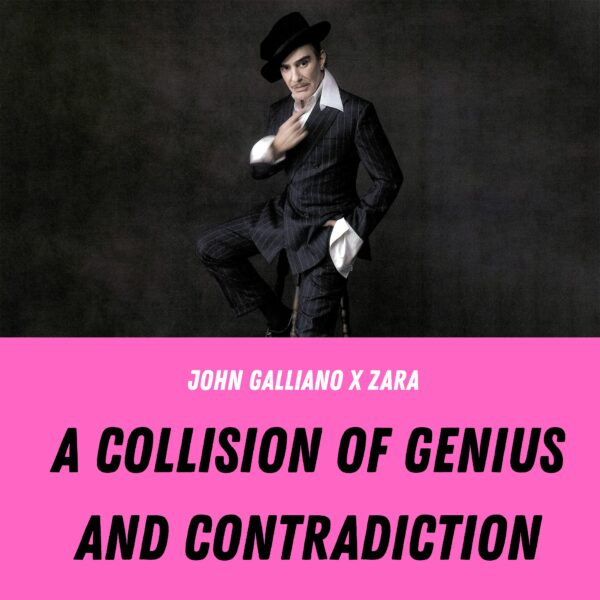
John Galliano x Zara: A Collision of Genius and Contradiction
When Zara announced its two-year creative partnership with John Galliano, the fashion world did what it always does in moments like this: it paused, tilted its head, and tried to understand.
Because Galliano is not just another designer. He is, quite simply, one of the most extraordinary creative minds fashion has ever produced. A couturier in spirit, a storyteller by instinct, someone who does not merely design clothes but constructs entire emotional universes around them. His work has always existed somewhere between theatre and technique, excess and precision.
And now… Zara.
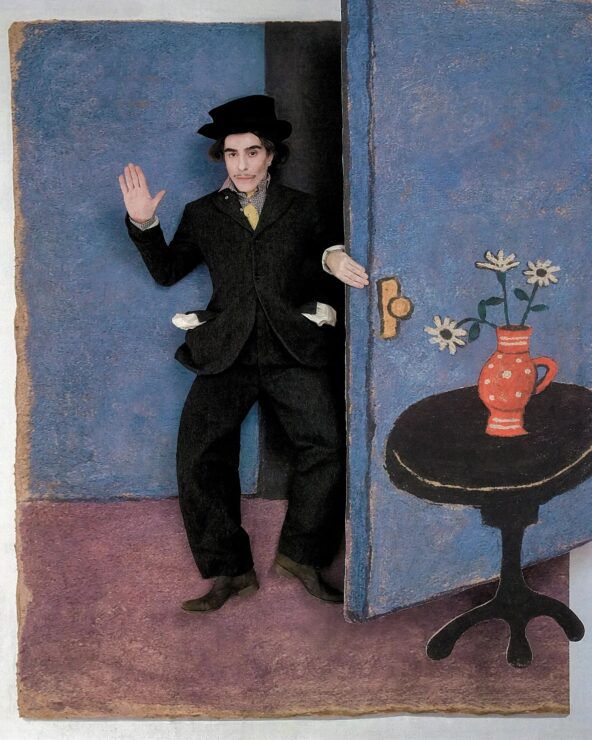
The partnership, set to begin in September 2026, promises a reworking of the brand’s own archives, with Galliano deconstructing past garments and reshaping them into new seasonal collections. On paper, it sounds almost poetic: a dialogue between past and present, between mass production and couture authorship.
But the reality feels more complicated.
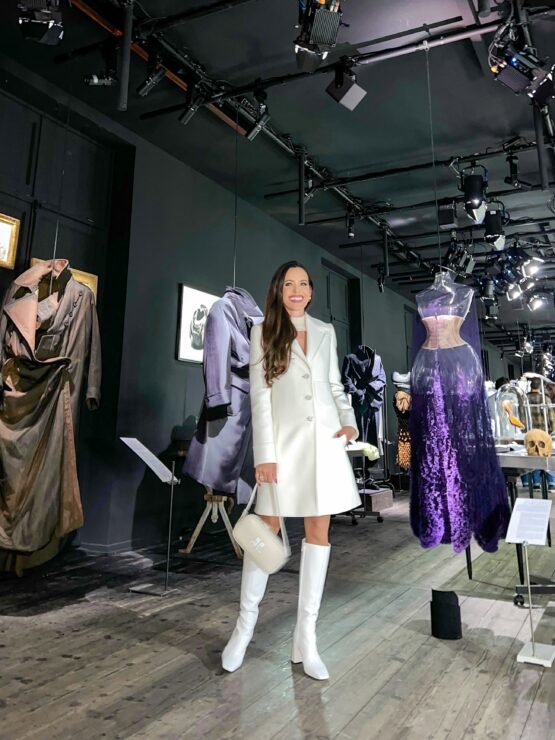
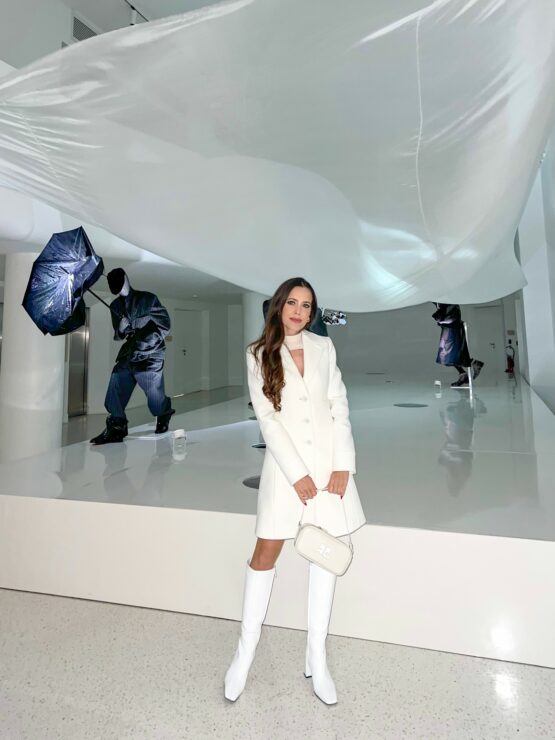 A visit to the Maison Margiela Couture atelier in 2024 when Galliano presented its last collection for the Maison for Spring 2024.
There is something deeply paradoxical about placing a designer of Galliano’s caliber within the machinery of fast fashion. His talent has always thrived on time, craft, and obsessive detail, qualities that stand in quiet opposition to the speed and scale that define Zara. It is difficult not to feel that something fragile might be lost in translation.
And yet, there is another side to this.
 Discovering an amazing archive.
Fashion has long struggled with accessibility. The great maisons, once temples of aspiration, have increasingly become fortresses, defined by relentless price increases, a noticeable decline in quality, and, perhaps most discouragingly, a certain aloofness that keeps many new customers at the door rather than inviting them in. The joy of fashion, of discovery, of participation, has in many ways been diminished.
In that sense, this collaboration raises an interesting question: what does it mean to bring a couturier’s vision to a wider audience?
There is something undeniably compelling about the idea. About Galliano’s imagination reaching people who would otherwise never experience it. About dissolving, even slightly, the rigid boundaries between luxury and accessibility.
But accessibility at what cost?
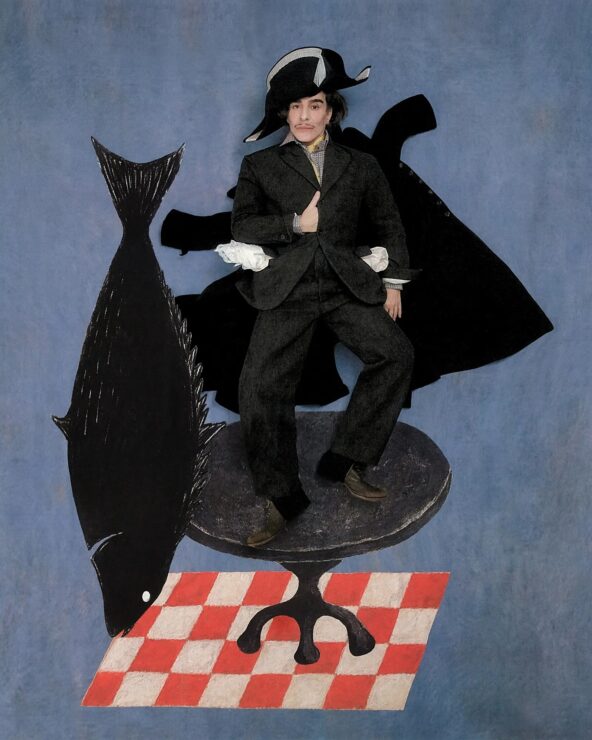
Fast fashion, by its very nature, carries an uncomfortable weight, of overproduction, of disposability, of a system that prioritizes immediacy over longevity. To place a designer who has always embodied the opposite within that framework feels, at least emotionally, like a mismatch.
Perhaps what many of us hoped for was something in between.
Not the rarefied distance of heritage houses, nor the relentless pace of fast fashion, but a space where creativity, craftsmanship, and accessibility could coexist without compromise. A house that could have given Galliano the room he deserves, while still speaking to a broader, modern audience.
Because his talent deserves that. It always has.
And still, despite the ambivalence, there is curiosity.
What happens when a couturier engages with constraints? When someone like Galliano is asked not to escape the system, but to reinterpret it from within? There is a possibility, however small, that something genuinely new could emerge from that tension.
For now, the announcement leaves us suspended between admiration and unease. We celebrate the return of a genius to the spotlight, while quietly mourning the context in which it happens.
Perhaps that is where fashion finds itself today: caught between two extremes, still searching for its middle ground.
LoL, Sandra
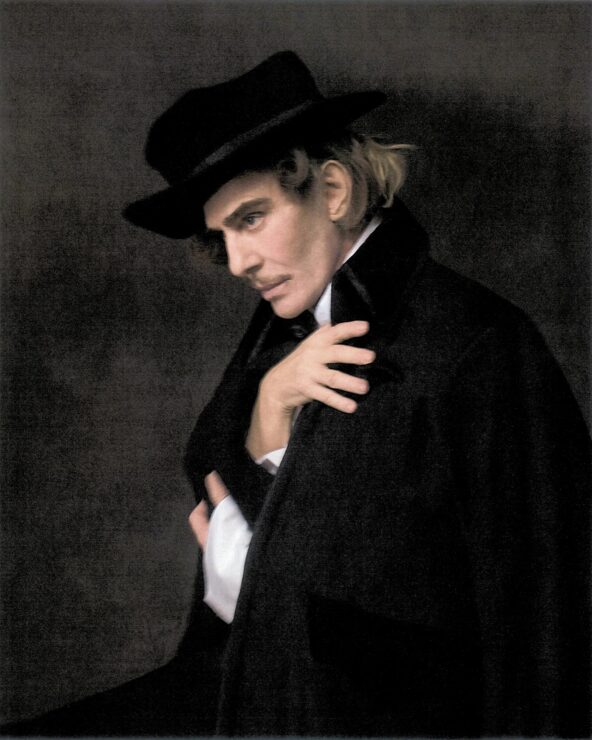
Photos: © Sandra Bauknecht, John Galliano: Photographer / Art Director: Szilveszter Makó @szilvesztermako
DISCLOSURE: We may earn commission from links on this page, but I only recommend products I love. Promise.


